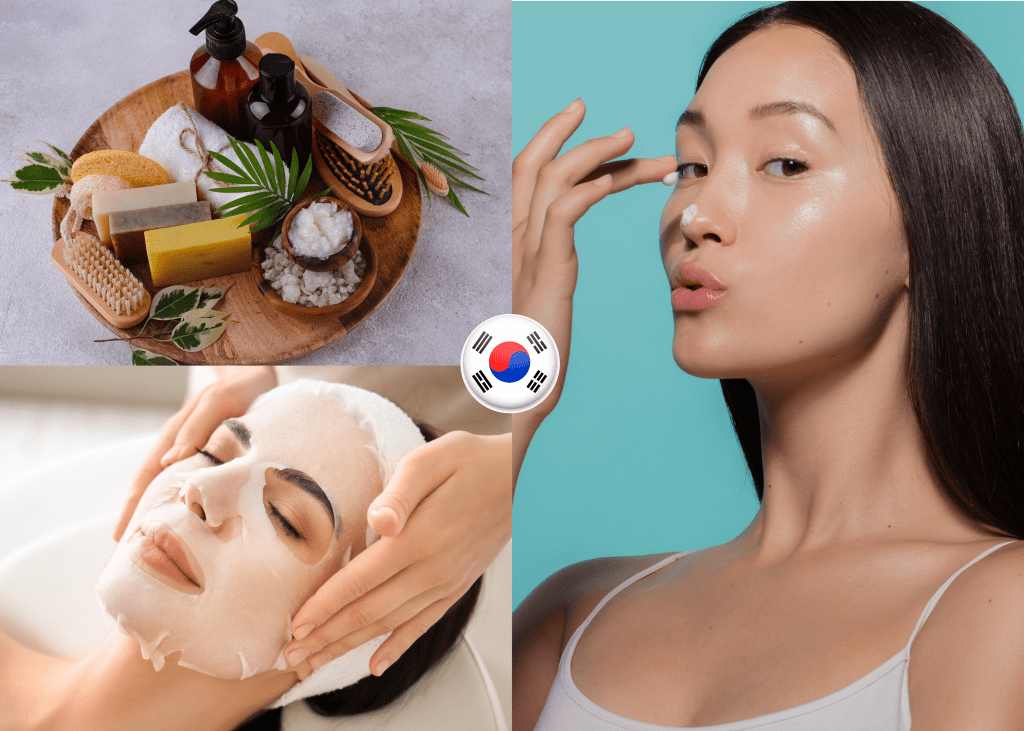
K-beauty has gained immense popularity worldwide in recent years. The success is not only attributed to high effectiveness and innovation but also to a unique approach to skincare. Unlike many Western brands, Korean skincare includes multi-step skincare routines and the use of natural ingredients. However, like any skincare product, Korean cosmetics have both advantages and disadvantages. In this article, we will explore pros and cons of Korean skincare.
5 Advantages of Korean Skincare
1. Innovative Technologies and Formulas
South Korea leads the world in the development of cosmetic products. Korean brands actively incorporate innovative technologies and scientific advancements. For instance, South Korea was one of the first to introduce products such as BB creams, CC creams, peel-off masks, and sheet masks, which quickly became popular in Europe and the U.S.
Many of these innovations are based on extensive scientific research and thorough testing, making Korean skincare products not only trendy but genuinely effective. The combination of innovative formulas with natural ingredients creates products that are gentle yet effective for the skin.
2. Use of Natural Ingredients
Many Korean cosmetic brands place a strong emphasis on using natural ingredients such as plant extracts, seaweed, enzymes, and oils. Popular components in Korean products include aloe vera, green tea, snail mucin, ginseng, and pearl powder.
This appeals to consumers who want to avoid harsh chemicals in their skincare routine. Natural components tend to have a gentle effect on the skin and often come with added benefits such as soothing and moisturizing properties.
3. The Famous 10-Step K-Beauty Routine
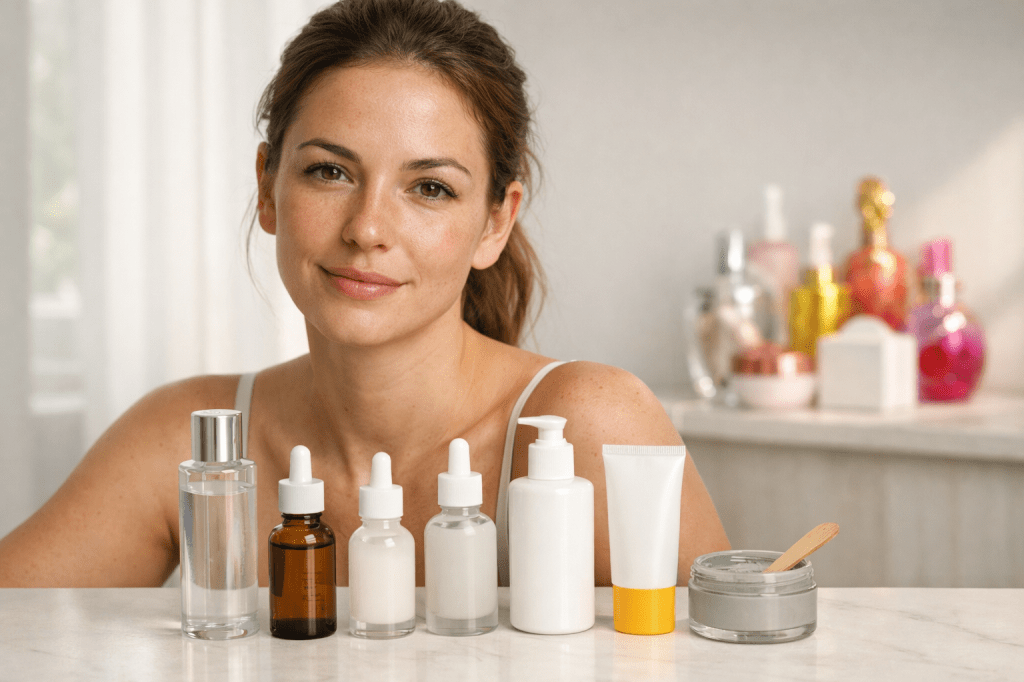
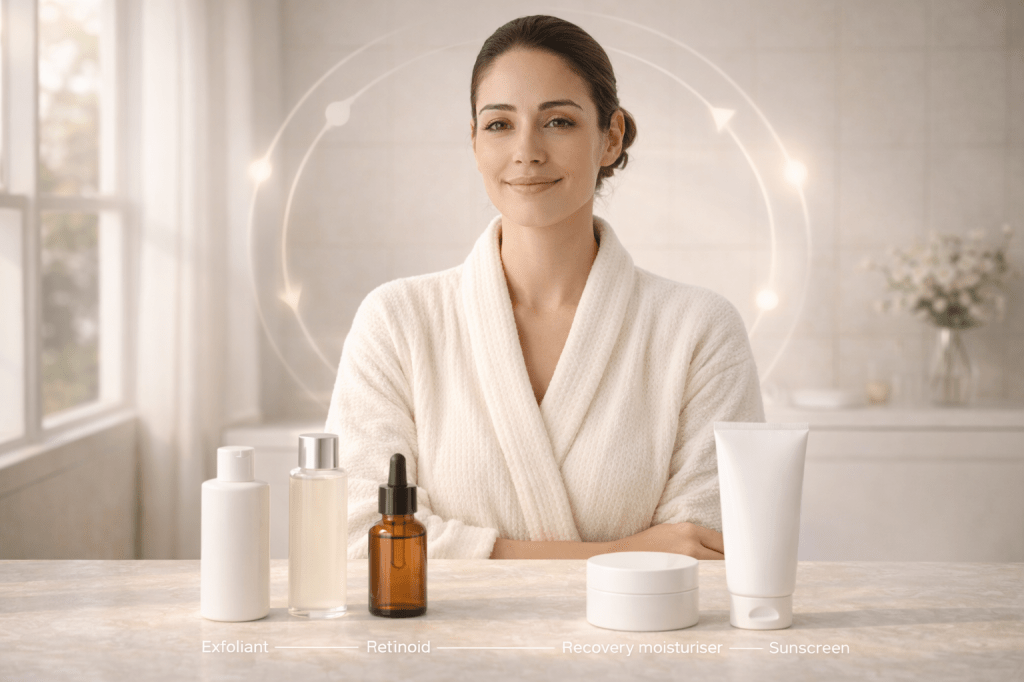
The Korean approach to skincare is known for its multi-step routine. Unlike Western countries, where one or two products are typically used, Korean routines can include up to 10 steps: cleansing, exfoliating, toning, using essences, serums, moisturizers, and sunscreen.
Each step in this regimen targets specific skin concerns, making the care more personalized and effective. This approach not only helps maintain the skin in great condition but also helps to fight against aging.
4. Eye-Catching and Stylish Packaging
Korean cosmetics often captivate consumers with their stylish, creative, and sometimes cute packaging. Brands pay a lot of attention to the appearance of their products, making the use of cosmetics more enjoyable. Nice packaging adds an element of joy to the daily skincare routine, helping to motivate people to stick to their beauty regimen.
5. Affordable Prices with Great Value
One of the major advantages of K-beauty is its value for money. Many products are reasonably priced compared to European and American brands. This makes Korean cosmetics so popular among a wide range of consumers, as they offer high quality at an affordable price.

5 Challenges of K-Beauty Products
1. Potential Allergic Reactions
Having lots of natural ingredients, Korean cosmetics are not always suitable for everyone. Some components, such as snail mucin, may cause allergic reactions or intolerance. Certain plant extracts and oils can also irritate sensitive skin.
Additionally, some K-beauty products may contain alcohol or fragrances, which can dry the skin or cause allergic reactions in people with sensitive skin.
2. Time-Consuming 10-Step Routine
While the Korean 10 step skincare routine provides excellent results, it may seem too complicated or time-consuming for many people. Using 8-10 products daily requires time and discipline. For those who prefer a minimalist approach or have limited time, K-beauty routine may be inconvenient.
Moreover, using too many products which contain active ingredients, can lead to irritation or other issues.
3. Language Barriers
K-beauty products often come with instructions and descriptions only in Korean, which can be challenging for international buyers. Although many brands add English descriptions, it’s not always clear how to use the product correctly.
Some buyers may also have difficulty understanding the ingredients list, making it harder to choose a product suitable for their skin type.
4. Problems with Authentic Products
With the growing popularity of Korean cosmetics, counterfeit products have become an issue. Buyers, especially outside South Korea, may struggle to find authentic products. Counterfeit items often contain lower-quality ingredients and can be harmful to the skin.
Therefore, it’s essential to purchase cosmetics only from trusted suppliers or official distributors, which is not always possible, particularly in countries where Korean cosmetics are just beginning to gain popularity.
5. Too Gentle for Some Skin Problems
While the gentle action of Korean cosmetics appeals to many consumers, it may not be sufficient for those with more serious skin issues such as acne, pigmentation, or strong signs of aging. In some cases, more intensive treatment is required, and Korean cosmetics may not be as effective as Western products with stronger formulas.

Is Korean Skincare Right for You? Making an Informed Decision
Korean skincare represents a diverse and innovative segment of the beauty market, attracting consumers with their effectiveness, natural ingredients, and affordable prices. However, like any cosmetic product, K-beauty has downsides, such as the risk of allergies, the complexity of multi-step routines, and challenges in finding authentic products.
It is important to remember that choosing skincare products is an individual process, and what works for one person may not work for another. Therefore, before trying a new product, it is always recommended to read its ingredient list carefully and make a patch test on a small area of skin.
 EverGlow Bliss
Leave a comment