
For many teenagers, dealing with skin problems — especially acne — can be a constant battle that affects both appearance and self-confidence. While genetics and hormones play significant roles, emerging research shows that diet is a powerful factor that can either improve or worsen teenage skin conditions. The connection between what teens eat and how their skin looks isn’t just anecdotal anymore; science is backing up what many dermatologists have suspected for years.
In this article, we’ll explore the intricate relationship between diet and teenage skin health, highlighting the foods that can help create a clearer complexion as well as those that might be sabotaging your skin care efforts.
The Science Behind Diet and Skin Health
The teenage years bring hormonal changes that naturally increase oil production in the skin. However, certain dietary choices can amplify these effects. Recent research, including a significant study from RMIT University, demonstrated that teenagers who followed a specific anti-acne diet for just 12 weeks experienced remarkable improvements:
- A 50% reduction in facial acne
- Decreased insulin resistance
- Lower levels of acne-causing hormones
- Improved quality of life, including better self-esteem
These results highlight an important truth: what teenagers eat can directly impact their skin’s appearance and health. Let’s dive deeper into the specific mechanisms at work.
Insulin, Glycemic Index (GI), and Acne
One of the primary ways diet affects skin is through blood sugar regulation. When teens consume foods with a high glycemic index (GI), their blood sugar rises rapidly, triggering an insulin response. Elevated insulin levels can increase the production of oils in the skin and stimulate the body to produce more androgens—hormones that boost sebum production and contribute to clogged pores.
This is why managing blood sugar through smart food choices is a cornerstone of skin-friendly eating. By favoring low-GI foods, teenagers can maintain steadier insulin levels and potentially reduce acne flare-ups.
Inflammation and Skin Health
Another critical factor is inflammation. Many common teenage dietary choices—like fast food, sugary snacks, and processed items—promote systemic inflammation in the body. This internal inflammation can manifest externally as redness, swelling, and worsened acne.
Anti-inflammatory foods, particularly those rich in antioxidants and essential fatty acids, can help counteract this effect, soothing the skin from the inside out.

Foods That Promote Healthy Teenage Skin
Now that we understand the mechanisms at work, let’s look at specific foods that can help teenagers achieve clearer, healthier skin.
1. Lean Proteins
Proteins are the building blocks of skin repair and health. They provide essential amino acids that support the skin’s structural integrity. Good choices include:
- Lean chicken and turkey
- Fish (especially varieties low in mercury)
- Tofu and tempeh
- Legumes like lentils and beans
- Greek yogurt
These protein sources help control hormones associated with acne while providing the raw materials needed for skin healing and regeneration.
2. Low-GI Carbohydrates
Not all carbs are created equal when it comes to skin health. Teenagers should focus on complex carbohydrates with a low glycemic index, such as:
- Whole grain bread and pasta
- Brown or basmati rice
- Steel-cut oats
- Quinoa and other ancient grains
- Sweet potatoes
- Baked beans
These foods release glucose slowly into the bloodstream, preventing the insulin spikes that can trigger acne flare-ups.
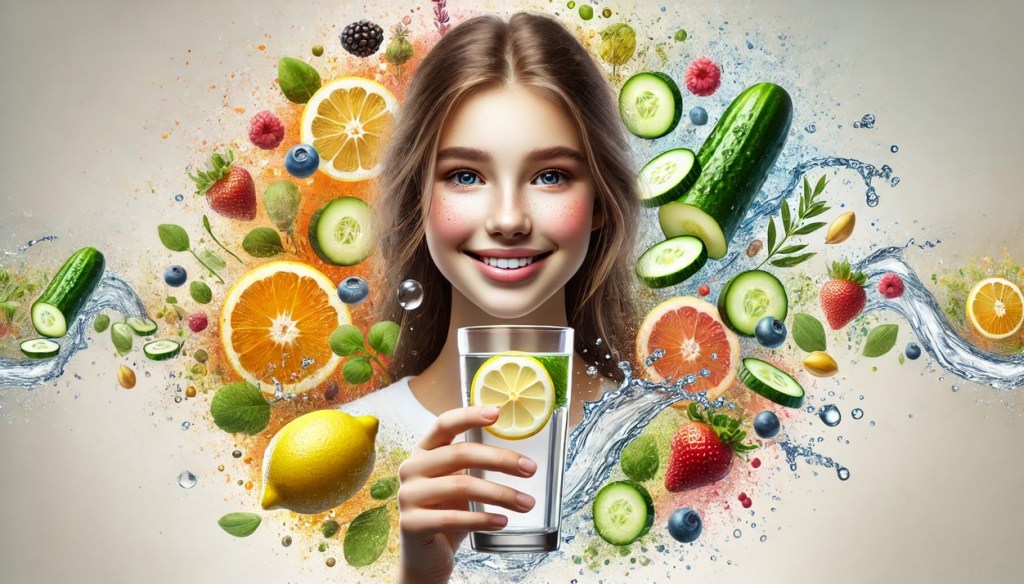
3. Colorful Fruits and Vegetables
The vibrant colors in fruits and vegetables represent different antioxidants that fight inflammation and neutralize skin-damaging free radicals. Some particularly beneficial choices include:
- Bell peppers (high in vitamin C, which supports collagen production)
- Watermelon (hydrating and anti-inflammatory)
- Strawberries (packed with antioxidants and vitamin C)
- Leafy greens like spinach and kale (rich in vitamins A, C, and K)
- Carrots and sweet potatoes (containing beta-carotene that helps repair skin tissue)
- Tomatoes (containing lycopene, which may protect skin from sun damage)
Aim for at least five servings of different-colored produce daily to provide a wide spectrum of skin-supporting nutrients.
4. Omega-3 Rich Foods
Omega-3 fatty acids are essential fats that the body cannot produce on its own. They play a crucial role in maintaining the skin’s moisture barrier and reducing inflammation. Excellent sources include:
- Fatty fish like salmon, mackerel, and sardines
- Walnuts
- Chia seeds and flaxseeds
- Avocados
- Olive oil
These healthy fats help keep skin supple, hydrated, and less prone to inflammation-driven breakouts.
5. Probiotic-Rich Foods
Growing evidence suggests that gut health is intimately connected to skin health. Fermented foods containing beneficial bacteria can help balance the gut microbiome, potentially improving skin conditions. Consider incorporating:
- Yogurt with live active cultures
- Kefir
- Kombucha
- Sauerkraut
- Kimchi
- Miso
These foods support healthy digestion and may help reduce systemic inflammation that can manifest as skin problems.
6. Zinc-Rich Foods
Zinc is a mineral that plays a key role in wound healing and may help reduce acne severity. Good dietary sources include:
- Oysters
- Pumpkin seeds
- Lean beef
- Crab
- Cashews and other nuts
- Chickpeas
Research suggests that zinc levels tend to be lower in people with severe acne, making these foods potentially beneficial for teenage skin health.
Foods That May Worsen Teenage Skin Issues
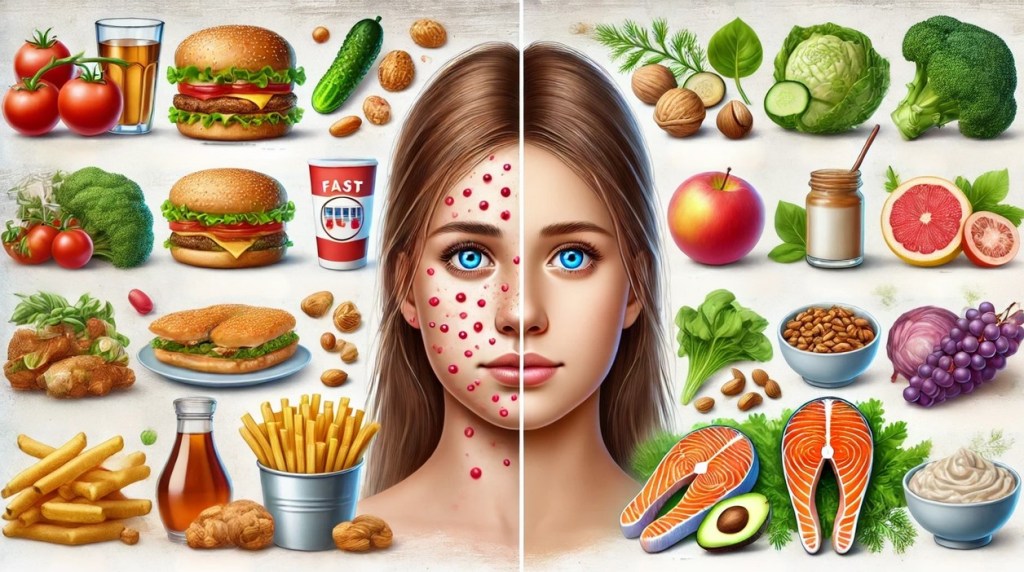
Just as some foods can improve skin health, others may exacerbate problems. Here are the main culprits teenagers might want to limit:
1. High-GI Carbohydrates
Foods that cause rapid spikes in blood sugar can trigger hormonal cascades that worsen acne. The worst offenders include:
- White bread, bagels, and pastries
- White rice
- Regular pasta
- Sugary cereals
- Crackers made with refined flour
- Potatoes, especially in forms like french fries
Replacing these high-GI options with their low-GI counterparts can make a significant difference in skin clarity.
2. Sugary Foods and Beverages
Sugar is perhaps the most problematic food component for teenage skin. High sugar consumption leads to:
- Dramatic insulin spikes
- Increased inflammation
- Glycation (a process where sugar molecules attach to proteins, including collagen, making skin less elastic)
Common sources to watch out for include:
- Soda and energy drinks
- Candy and chocolate
- Sweetened breakfast cereals
- Flavored yogurts with added sugars
- Ice cream and frozen desserts
- Sweetened coffee drinks
Even “natural” sugars in excessive amounts (like honey or fruit juice) can trigger these responses, so moderation is key.
3. Processed and Fast Foods
The typical Western diet, high in processed foods, has been strongly linked to increased acne prevalence. These foods often contain:
- Trans fats and unhealthy oils
- Refined carbohydrates
- High levels of sodium
- Artificial ingredients and preservatives
- Hidden sugars
Fast food combinations—like burgers on white buns with fries and soda—hit multiple skin-triggering categories at once, making them particularly problematic for acne-prone teens.
4. Dairy Products
For some teenagers, dairy consumption correlates with acne flares. This may be due to the hormones naturally present in milk or dairy’s effect on insulin levels. If you suspect dairy might be affecting your skin, consider tracking your consumption and skin reactions, or try alternatives like:
- Almond milk
- Oat milk
- Coconut milk
- Fortified soy milk
Not everyone reacts poorly to dairy, but it’s worth investigating if other dietary changes haven’t helped.

Creating a Skin-Friendly Eating Plan for Teens
Transitioning to a skin-supportive diet doesn’t mean following an overly restrictive regimen. Instead, focus on these practical strategies:
Balance is Key
Rather than completely eliminating food groups, aim for a balanced approach with:
- Plenty of fruits and vegetables
- Adequate protein from quality sources
- Healthy fats like avocados, nuts, and olive oil
- Complex carbohydrates in appropriate portions
- Limited processed foods and added sugars
Stay Hydrated
Water plays a crucial role in skin health by:
- Flushing toxins from the body
- Delivering nutrients to skin cells
- Maintaining skin hydration and elasticity
Teenagers should aim for at least 8-10 glasses of water daily, more if they’re active or in hot weather.
Consider Food Sensitivities
Some teens may have specific food sensitivities that trigger skin issues. Common culprits include:
- Dairy products
- Gluten
- Eggs
- Peanuts
- Shellfish
If you suspect certain foods may be causing reactions, consider keeping a food diary to track what you eat and any subsequent skin changes. This can help identify patterns that might not be obvious otherwise.
Beyond Diet: A Holistic Approach to Teenage Skin Health
While diet plays a significant role in skin health, it’s just one piece of the puzzle. For optimal results, combine dietary improvements with:
Consistent Skincare
A simple, gentle skincare routine appropriate for your skin type can complement dietary efforts. This typically includes:
- Cleansing twice daily with a mild, non-drying cleanser
- Using non-comedogenic moisturizers
- Applying sunscreen daily
- Avoiding harsh scrubs and over-washing
Stress Management
Stress triggers hormonal changes that can worsen skin conditions. Healthy stress-management techniques like regular exercise, adequate sleep, and mindfulness practices can help keep stress hormones in check.
Professional Support When Needed
If dietary changes and good skincare habits aren’t producing the desired results, don’t hesitate to consult with a dermatologist. They can provide personalized advice and, if necessary, medical interventions for more severe skin conditions.

Eating Your Way to Healthier Teenage Skin
The teenage years bring enough challenges without having to worry about problematic skin. By understanding the powerful connection between diet and skin health, teenagers can make informed food choices that support a clearer complexion.
Remember that dietary changes won’t produce overnight miracles—consistency is key. Most teens who commit to skin-friendly eating patterns see gradual improvements over weeks and months rather than days.
By focusing on whole, nutrient-rich foods while limiting the consumption of processed items, sugary treats, and high-GI carbohydrates, teenagers can potentially reduce acne severity, boost skin healing, and improve overall skin appearance. These same dietary principles also support general health, energy levels, and mood—making them worthwhile adjustments for any teen looking to feel and look their best during these formative years.




 EverGlow Bliss
Leave a comment