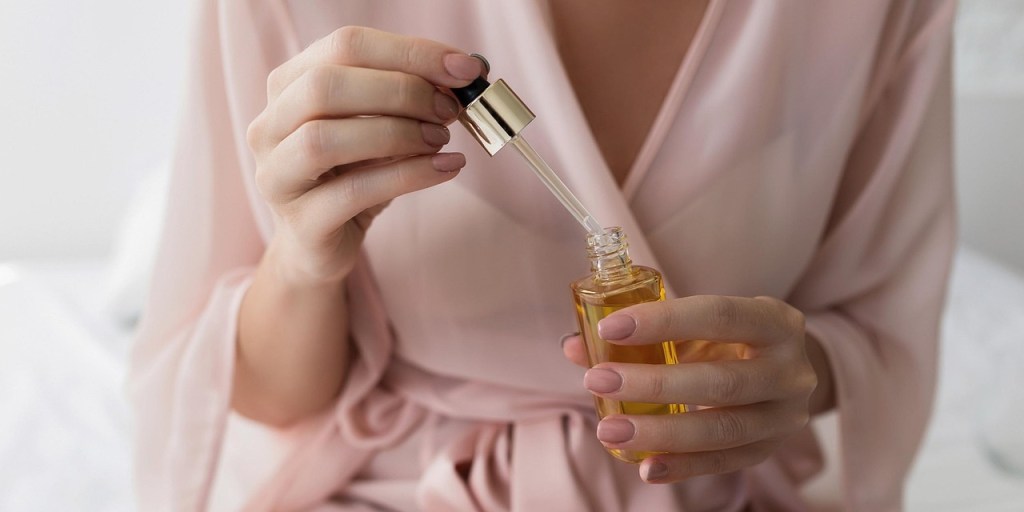
Whether you’re deep into the world of serums and exfoliants or just starting to explore anti-aging solutions, you’ve probably come across retinol. It’s been considered as a miracle solution for wrinkles, acne, texture, and more. But like every skincare ingredient, it has its side effects which you should be aware of before you start using it.
On the other hand, there is bakuchiol, a revolutionary ingredient in Korean skincare. This is a natural alternative that’s been making waves for delivering similar results without the harsh side effects. So what’s the deal with retinol, and can bakuchiol really replace it?
Let’s break it all down.
What Is Retinol?
Retinol is a form of vitamin A and belongs to a group of compounds known as retinoids. It’s one of the most studied and clinically proven ingredients in the skincare world. Retinol works by increasing cell renewal and stimulating collagen production, making skin appear smoother and firmer over time.
Benefits of Retinol
- Reduces fine lines and wrinkles: Encourages collagen production, which helps plump the skin.
- Improves skin texture: Promotes faster cell renewal for smoother skin.
- Fights acne: Keeps pores clean and reduces breakouts.
- Fades hyperpigmentation: Helps reduce dark spots and sun damage.
- Brightens dull skin: Brings fresh new skin cells to the surface.
Sounds like magic, right? But…
The Downside of Retinol
Retinol isn’t for everyone. While it’s extremely effective, it can also be irritating – especially for beginners or those with sensitive skin.
Common Side Effects
- Dryness and peeling
- Redness and irritation
- Increased sensitivity to sunlight
- Skin purging (breakouts before improvement)
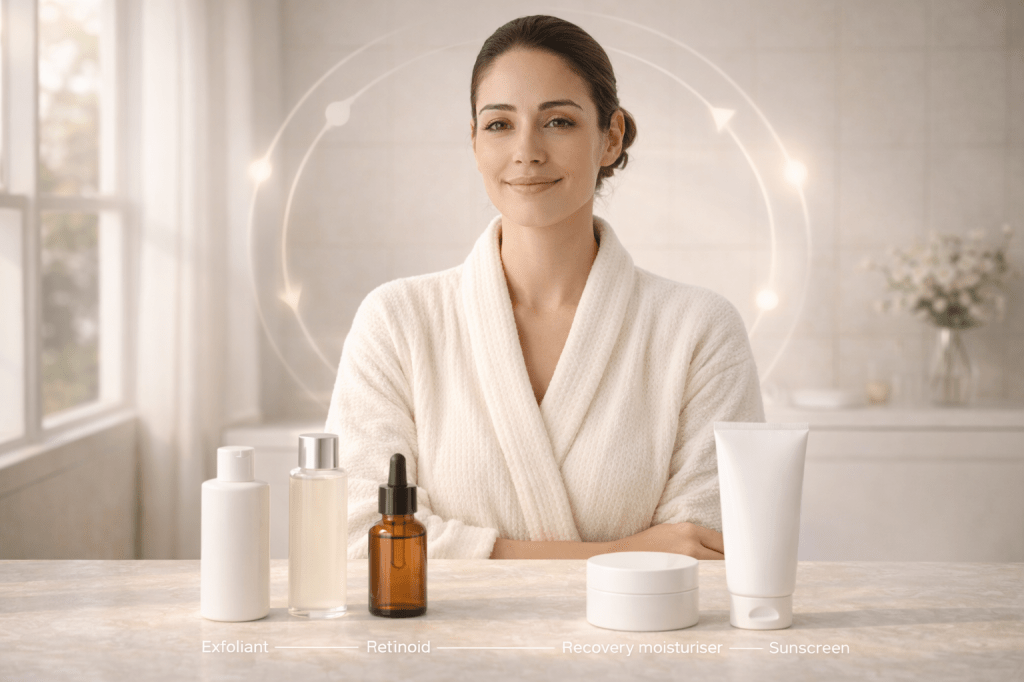
To minimize these effects, dermatologists often recommend starting with a lower concentration (0.25% or 0.5%), using it 2–3 times a week, and always pairing it with a good moisturizer and sunscreen.
Still, for some people, even the gentlest retinol can be too much. That’s where bakuchiol comes in.
Meet Bakuchiol: The Natural Retinol Alternative
Bakuchiol (pronounced buh-koo-chee-ol) is a plant-based compound extracted from the seeds and leaves of the Psoralea corylifolia plant, also known as babchi. It’s been used in traditional Ayurvedic and Chinese medicine for centuries, but it’s only recently gained traction in the skincare scene.
Why all the hype? Because bakuchiol appears to offer many of the same benefits as retinol but without the irritation.
Benefits of Bakuchiol
- Anti-aging: Like retinol, bakuchiol can reduce the appearance of fine lines and wrinkles by promoting cell renewal and boosting collagen.
- Brightening: It evens out skin tone and fades dark spots.
- Acne-fighting: Has antibacterial and anti-inflammatory properties.
- Gentle on skin: Non-irritating, even for sensitive skin type.
- Non-photosensitizing: Unlike retinol, it won’t make your skin more sensitive to the sun.
And yes, there’s science to back it up. A 2018 study published in the British Journal of Dermatology found that bakuchiol was just as effective as retinol in reducing signs of aging but caused significantly less irritation.
How to Use Retinol in Your Skincare Routine
If you’re new to retinol, slow and steady wins the race. Here’s a beginner-friendly routine:
1. Start Small
Choose a product with 0.25% or 0.5% retinol. You can try higher concentrations (like 1%) once your skin builds tolerance.
2. Frequency
Use it 2–3 times a week at first. Gradually increase frequency as your skin adjusts.
3. Night Use Only
Retinol breaks down in sunlight, so use it in the evening.
4. Moisturize
Apply moisturizer after retinol to combat dryness.
5. Always Wear Sunscreen
Your skin will be more vulnerable to UV rays, so daily SPF is a must.
How to Use Bakuchiol
Bakuchiol is much more easier to integrate:
- Use it day or night – It’s stable in sunlight and doesn’t increase sensitivity.
- Layer with other products – Works well with most active ingredients, including vitamin C and hyaluronic acid.
- Suitable for all skin types – Even for those with eczema, rosacea, or very sensitive skin.
Which One Should You Choose?
Choose Retinol if:
- You’re looking for maximum results.
- You’ve used it before and your skin tolerates it well.
- You’re treating more advanced signs of aging or severe acne.
Choose Bakuchiol if:
- You have sensitive skin.
- You’re pregnant or breastfeeding (but always check with your doctor).
- You want retinol-like benefits without side effects.
- You’re into clean beauty or prefer plant-based alternatives.
Can You Use Retinol and Bakuchiol Together?
Yes, you can include them in your basic skincare routine, and some products even combine both to balance effectiveness with gentleness. However, if you’re using them separately, it’s usually best to alternate days or use bakuchiol in the morning and retinol in the evening. Always monitor your skin and adjust based on how it reacts.
Final Thoughts
Retinol remains a gold-standard ingredient for anti-aging and acne, but it’s not for everyone. For those who want similar benefits without the risk of irritation, bakuchiol is a fantastic alternative that’s backed by modern research.
Whether you go with the tried-and-true retinol or the gentle newcomer bakuchiol, the key to success is consistency. Start slow, stay moisturized, and – no matter what – never skip your sunscreen.
Your future skin will thank you.
Have you tried retinol or bakuchiol? What’s worked best for your skin? Let me know in the comments below!
Where to Buy Skincare Products with Retinol and Bakuchiol ?
You can find it in many online beauty shops (including lookfantastic.com).
Use the lookfantastic referral code OXANA-R17Q to receive £10 off selected products on your first order
 EverGlow Bliss
Leave a comment