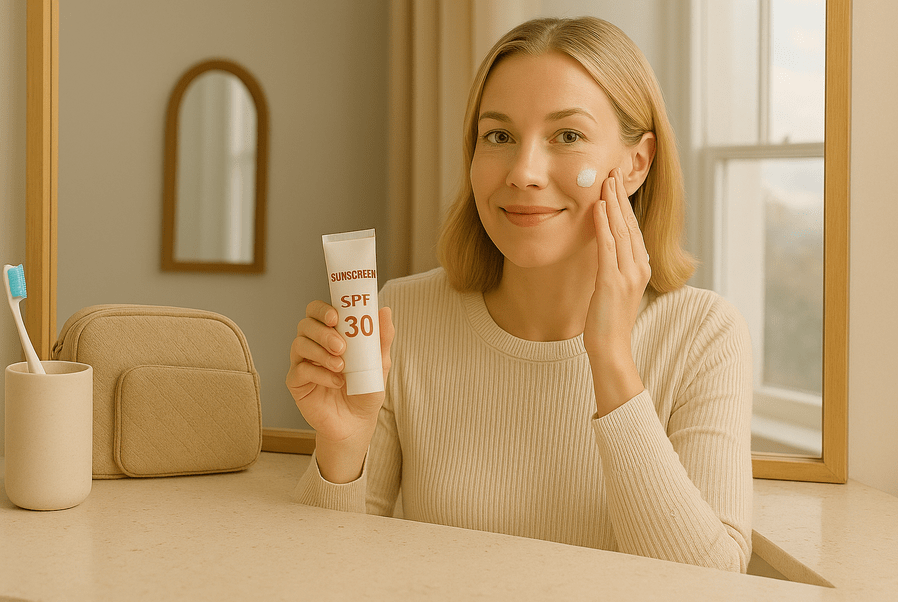
We all know sunscreen is important, but with so many options lining store shelves, choosing the right one can feel overwhelming. Even more confusing? Making sure you’re actually using it correctly. As someone who’s learned the hard way (hello, painful shoulder burn from missed spots!), I’m here to walk you through everything you need to know about selecting and applying sunscreen effectively.
Choosing the Right Sunscreen for Your Needs
The Non-Negotiables
When shopping for sunscreen, there are a few key features that should be on your must-have list regardless of your skin type or activities:
Broad Spectrum Protection: This isn’t just marketing jargon—it’s essential! “Broad spectrum” means the product protects against both UVA rays (the ones that age you) and UVB rays (the ones that burn you). Both types contribute to skin cancer, so you need protection from both.
SPF 30 or Higher: SPF (Sun Protection Factor) indicates how well a sunscreen protects against UVB rays. While SPF 15 blocks about 93% of UVB rays, SPF 30 blocks around 97%, making it the minimum recommended level. Higher SPFs offer incrementally more protection, but remember: no sunscreen blocks 100% of UV rays, which is why proper application and reapplication are crucial.
Water Resistance: If you’re swimming or likely to sweat, water-resistant formulas are a must. Check the label—it will specify whether the sunscreen remains effective for 40 or 80 minutes while swimming or sweating before you need to reapply.

Finding Your Perfect Formula
Beyond these basics, the “best” sunscreen is ultimately the one you’ll actually use consistently. Consider these factors based on your skin type and specific needs:
For Oily or Acne-Prone Skin: Look for terms like “non-comedogenic” (won’t clog pores), “oil-free,” or “lightweight.” Gel formulations often work well for oilier complexions without adding extra shine.
For Dry or Sensitive Skin: Seek out moisturizing sunscreens with hydrating ingredients. Cream formulations typically provide better hydration. If you have sensitive skin, consider fragrance-free options to minimize irritation.
For Ultra-Sensitive Skin: Mineral (or physical) sunscreens containing zinc oxide and/or titanium dioxide tend to be less irritating than chemical formulations. These ingredients sit on top of the skin rather than being absorbed, making them gentler for reactive skin types.
For Makeup Wearers: Consider tinted sunscreens that provide protection while evening out skin tone, or specifically formulated facial sunscreens designed to layer well under makeup.
For Active Lifestyles: Stick formulations are great for quick touch-ups during outdoor activities and won’t spill in your bag. Sprays can make application to hard-to-reach areas easier, though they require careful application to ensure adequate coverage.

Using Sunscreen Correctly: The Make-or-Break Factor
Even the best sunscreen won’t protect you if it’s not applied properly. Here’s how to make sure you’re getting the full benefit of your sun protection:
Timing Is Everything
Apply sunscreen 15-30 minutes before sun exposure. This gives chemical sunscreens time to activate on your skin and ensures mineral sunscreens are properly settled before you start sweating or touching your skin.
Quantity Matters — A Lot
Most people apply only 25-50% of the recommended amount of sunscreen, which dramatically reduces its effectiveness. Here’s what you should actually be using:
- For your entire body: About 1 ounce (a shot glass full)
- For your face alone: A nickel-sized amount (approximately ¼ teaspoon)
- For total body coverage: 6-8 teaspoons
If you’re not emptying bottles of sunscreen regularly, you’re probably not using enough!

Coverage Is Critical
Be methodical in your application to avoid missing spots. Common areas people forget include:
- Tops of feet and backs of hands
- Ears and back of the neck
- Scalp (especially along the part line)
- Eyelids and under-eye area
- Lips (use a dedicated SPF lip balm)
For hard-to-reach areas like your back, use a spray sunscreen or ask for help. Remember that UV rays can penetrate lightweight clothing, so apply sunscreen before dressing or consider UPF-rated clothing for better protection.
Reapplication: The Step Most People Skip
This might be the most crucial part of proper sunscreen use: You need to reapply regularly. Set a timer if you have to! Follow these guidelines:
- Reapply at least every two hours of sun exposure
- Reapply immediately after swimming or sweating heavily
- Reapply after toweling dry, even if your sunscreen is water-resistant
If you’re wearing makeup, consider powder sunscreens or setting sprays with SPF for midday touch-ups.

Layering Products Correctly
If you use other skincare products, apply them in the right order:
- Skincare (serums, treatments)
- Moisturizer (if needed)
- Sunscreen
- Makeup (after allowing sunscreen to set for a few minutes)
Chemical sunscreens need direct contact with skin to work effectively, so they should go on before moisturizer. Physical/mineral sunscreens can go on after moisturizer.
Common Sunscreen Mistakes to Avoid
Even sun-savvy people make these errors. Check yourself against this list:
Relying on Sunscreen Alone: Sunscreen should be part of a comprehensive sun protection strategy that includes seeking shade during peak hours (10 am – 4 pm), wearing protective clothing, sunglasses, and hats.
Using Expired Sunscreen: Check the expiration date! Expired sunscreen may not provide full protection. If there’s no expiration date, most sunscreens remain effective for about three years. If it looks or smells unusual, it’s time to replace it.
Thinking One Application Lasts All Day: Even “all-day” sunscreens break down over time from sun exposure and need to be reapplied for continued protection.
Assuming Higher SPF Means Longer Protection: Higher SPF numbers indicate the level of protection, not how long it lasts. SPF 50 needs to be reapplied just as often as SPF 30.
Using Too Little: This bears repeating — skimping on sunscreen severely compromises protection. Be generous!

Making Sunscreen a Non-Negotiable Habit
The best sunscreen routine is one you’ll actually follow daily. Some tips to make it easier:
- Keep sunscreen by your toothbrush as a visual reminder
- Store travel-sized bottles in your car, purse, gym bag, and desk
- Set a recurring phone alarm for reapplication when outdoors
- Make it the last step in your morning routine before makeup
Remember that sun protection isn’t just for beach days or summer months. UV rays are present year-round, even on cloudy days and through windows. Your skin will thank you years down the road when you’re sporting fewer wrinkles, dark spots, and — most importantly — a lower risk of skin cancer.
By understanding how to choose the right sunscreen for your needs and applying it correctly and consistently, you’re making one of the best possible investments in your long-term skin health.


 EverGlow Bliss
Leave a comment