Have you ever experienced skin that feels tight, itchy, or unusually sensitive? Perhaps you’ve noticed increased redness, flakiness, or that your regular products suddenly sting upon application. If so, your skin barrier might be damaged. The good news? With the right approach, you can repair it. Let’s dive into understanding your skin barrier.
What Exactly Is Your Skin Barrier?
Think of your skin barrier as your body’s first line of defense. The outermost layer of your skin (the epidermis) works tirelessly to protect you from environmental aggressors while keeping precious moisture locked in. This barrier consists primarily of skin cells bound together by lipids — ceramides, fatty acids, and cholesterol.
When functioning optimally, your skin barrier keeps irritants out and hydration in. But when damaged, it’s like having tiny cracks in a wall — unwanted elements get in, and essential moisture escapes. The result? Irritation, sensitivity, and dehydration.

Signs Your Skin Barrier Needs Attention
Not sure if your barrier is damaged? Here are some major signs:
- Increased sensitivity and stinging sensations
- Persistent dryness or tightness
- Redness and inflammation
- Rough or flaky texture
- Breakouts that seem different from your typical acne
- Skin that feels “reactive” to products you’ve previously tolerated well
If you’re nodding along to several of these, it’s time for a skin barrier repair plan.

The Complete Guide to Repairing Your Skin Barrier
1. Simplify Your Skincare Routine
When your skin barrier is damaged, less is definitely more so treat your skin gently.
What to do: Limit your skincare routine to the absolute essentials — a gentle cleanser, simple moisturizer, and sunscreen.
What to avoid: Don’t use active ingredients that can potentially irritate sensitive skin, including:
- Retinoids
- Alpha-hydroxy acids (glycolic, lactic)
- Beta-hydroxy acids (salicylic acid)
- Physical exfoliants and scrubs
- Fragrance-heavy products
- Any products that make your skin tingle or sting
Now is not the time to experiment with new products or ingredients. Your skin needs consistency and gentleness above all else.

2. Switch to Ultra-Gentle Cleansing
Many people don’t realize that cleansing — particularly with harsh products — can be a major cause for barrier damage.
What to do: Choose pH-balanced, sulfate-free cleansers with minimal ingredients. Cream, milk, or gel formulations tend to be gentler than foaming ones. If you wear makeup, consider a gentle oil-based first cleanse followed by a mild water-based cleanser.
Pro tip: Water temperature matters too! Lukewarm water is much kinder to your skin barrier than hot water, which can strip away natural oils.
3. Focus on Hydration
Dehydration and barrier damage often go hand in hand, creating a vicious cycle. Breaking this cycle requires proper skin hydration.
What to look for: Products containing:
- Hyaluronic acid (attracts and holds water)
- Glycerin (a humectant that draws moisture to the skin)
- Ectoin (helps skin retain water and protects against environmental stress)
- Panthenol (B5, soothes and hydrates)
Application tip: Apply hydrating products to slightly damp skin to maximize their effectiveness. This helps trap that surface moisture in your skin.

4. Replenish Those Crucial Lipids
Remember the “mortar” that holds your skin cells together? It’s time to rebuild it.
What to look for: Products rich in:
- Ceramides (the most abundant lipids in your skin barrier)
- Fatty acids (like linoleic acid)
- Cholesterol
- Nourishing oils (squalane, jojoba, rosehip)
These ingredients essentially provide the building blocks your skin needs to repair itself. They’re not just surface treatments — they actually help restore the structural integrity of your barrier.

5. Lock Everything In
Once you’ve hydrated and nourished your skin, it’s crucial to prevent that moisture from evaporating.
What to do: Apply an occlusive product as the final step in your routine, especially at night. Options include:
- Healing ointments
- Facial balms
- Products containing petrolatum, shea butter, or certain plant oils
For daytime, you might prefer something lighter, but nighttime is perfect for these richer treatments when appearance isn’t a concern.
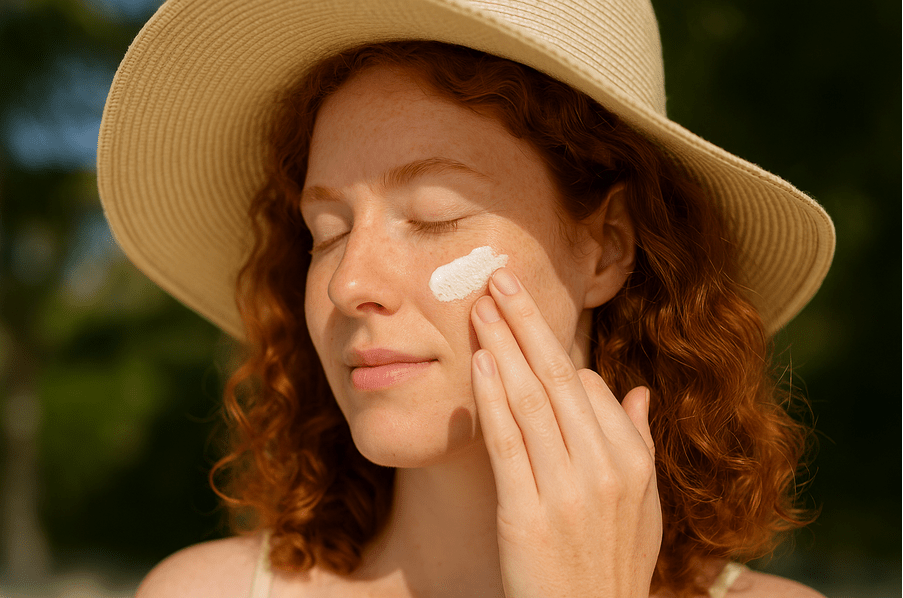
6. Don’t Skip Sun Protection
UV damage is one of the primary causes of skin barrier damage, yet many people with sensitized skin skip sunscreen because they’re afraid it will irritate their skin further.
Solution: Look for mineral sunscreens containing zinc oxide and/or titanium dioxide. These tend to be less irritating than chemical filters and offer the added benefit of soothing properties (zinc is anti-inflammatory).
Reminder: Reapply throughout the day, and don’t forget physical protection like hats and shade during peak sun hours.
7. Handle With Care
It’s not just what you put on your skin—it’s how you treat it physically.
Gentle practices:
- Pat (don’t rub) your face dry with a soft towel
- Avoid aggressive scrubbing or tugging
- Skip rough washcloths or facial brushes until healed
- Be mindful of how hard you press when applying products
These might seem like small details, but they can make a significant difference in your skin’s ability to heal.
8. Support Your Skin From Within
Skin health isn’t just about topical treatments — diet matters too.
Keep to healthy diet for glowing skin:
- Stay well-hydrated
- Consume foods rich in essential fatty acids (avocados, fatty fish, nuts)
- Consider omega-3 supplements if your diet lacks these nutrients
- Reduce inflammatory foods if you notice they trigger flare-ups

The Timeline: Patience Is Key
The hard truth about skin barrier repair? It takes time. Your skin cells undergo a complete renewal cycle approximately every 28-30 days, so noticeable improvement typically takes at least one month of consistent care.
For severe damage, full repair can take up to six months. You’ll likely notice gradual improvements along the way — less stinging, reduced redness, improved hydration — but complete healing requires patience and consistency.
When to Seek Professional Help
While most cases of barrier damage can be addressed at home, some cases may require professional advice. Consider seeing a dermatologist if:
- Your symptoms don’t improve after 4-6 weeks of diligent skincare
- You experience severe burning or itching
- Your skin develops unusual textures, colors, or patterns
- You suspect an underlying skin condition like rosacea or eczema
A dermatologist can provide prescription treatments and identify any contributing factors you might have missed.
The Bottom Line
Repairing your skin barrier isn’t complicated, but it does require discipline, patience, and a “less is more” approach. By simplifying your routine and focusing on gentle skincare and optimal skin hydration, you not only protect your skin from further damage, but you’re giving your body the opportunity to do what it naturally does best — heal itself.
Remember that healthy skin isn’t necessarily perfect skin. It’s skin that can maintain moisture and protect against environmental stressors. By supporting your skin barrier now, you’re investing in long-term skin health that goes far beyond mere appearance.


 EverGlow Bliss
Leave a comment