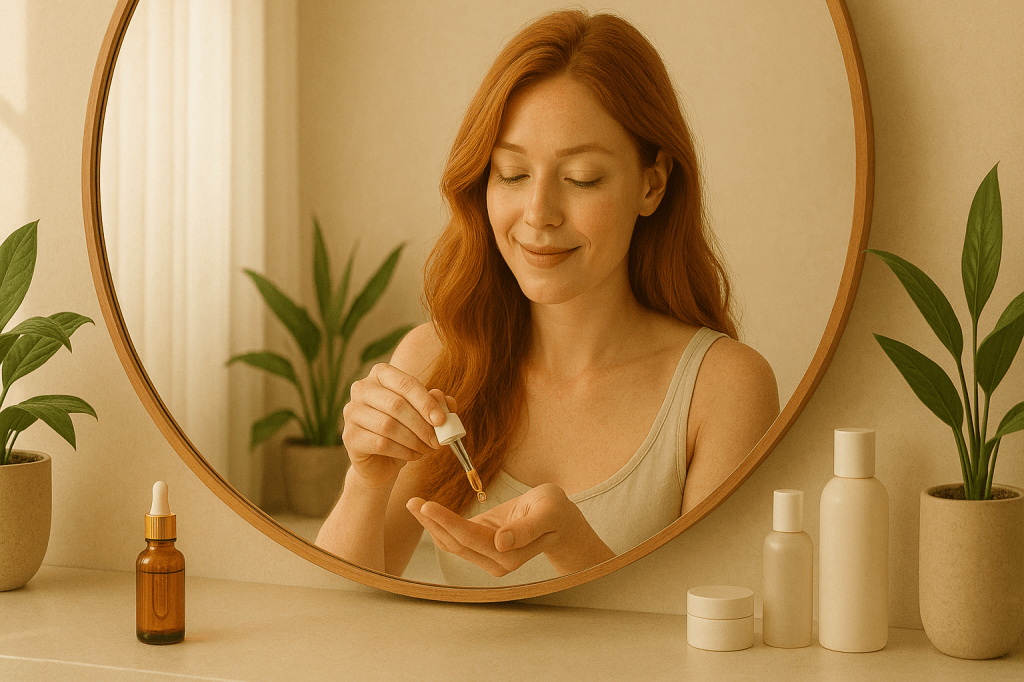
If you’ve been scrolling through skincare recommendations lately, you’ve probably noticed that vitamin C serums are everywhere. And for good reason — these powerhouse products can transform your complexion by brightening dull skin, evening out tone, and giving your natural glow a serious boost. But here’s the catch: not every vitamin C serum works for every skin type.
Choosing the wrong formula can lead to irritation, breakouts, or that tight, uncomfortable feeling no one wants. The good news? Once you understand what to look for based on your unique skin needs, finding your perfect match becomes much simpler. You can quickly determine which skin type you have, here in my Skin Type Quiz.
Why Vitamin C Deserves a Spot in Your Routine
Before we dive into specific recommendations, let’s talk about why vitamin C has earned its cult status in the skincare world. This ingredient is a multitasker that addresses several common skin concerns simultaneously.
Affiliate disclosure: As an Amazon Associate, I earn from qualifying purchases
<< See Vitamin C Serums on Amazon >>
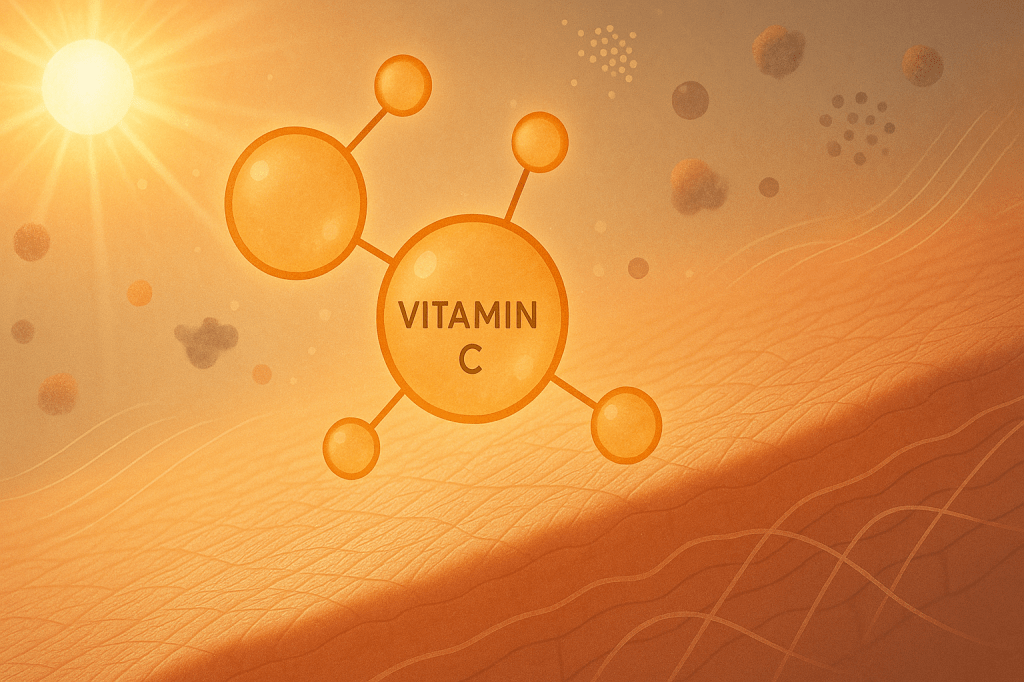
First, it’s brilliant at fading dark spots and hyperpigmentation. Whether you’re dealing with sun damage, post-acne marks, or general unevenness, vitamin C helps inhibit excess melanin production. Second, it supports your skin’s collagen production, which means improved firmness and fewer fine lines over time. Third, as an antioxidant, it protects your skin from environmental stressors like pollution and UV damage.
The result? Brighter, more youthful-looking skin that actually glows from within rather than just reflecting light off the surface. For example, I use Vitamin C in form of face cleanser Antipodes Gospel Vitamin C Skin Glow Gel Cleanser.
Decoding the Label: What to Look For
Walking down the skincare aisle (or scrolling through online shops) can feel overwhelming when every bottle promises miraculous results. Here’s how to cut through the marketing speak and identify a quality vitamin C serum.
Concentration matters, but more isn’t always better. Look for formulas containing between 5% and 20% vitamin C. If you’re new to this ingredient or have sensitive skin, start on the lower end of that range — around 5% to 10%. Your skin needs time to build tolerance. For those with resilient skin or specific concerns like stubborn pigmentation, higher concentrations up to 20% can deliver more dramatic results.
The type of vitamin C makes a huge difference. L-ascorbic acid is the gold standard — it’s the most researched form and typically the most effective. However, it can also be the most irritating, especially for sensitive skin types. If you find L-ascorbic acid too harsh, don’t give up on vitamin C entirely. Gentler derivatives like tetrahexyldecyl ascorbate, ascorbyl glucoside, and sodium ascorbyl phosphate offer similar benefits with less potential for irritation.
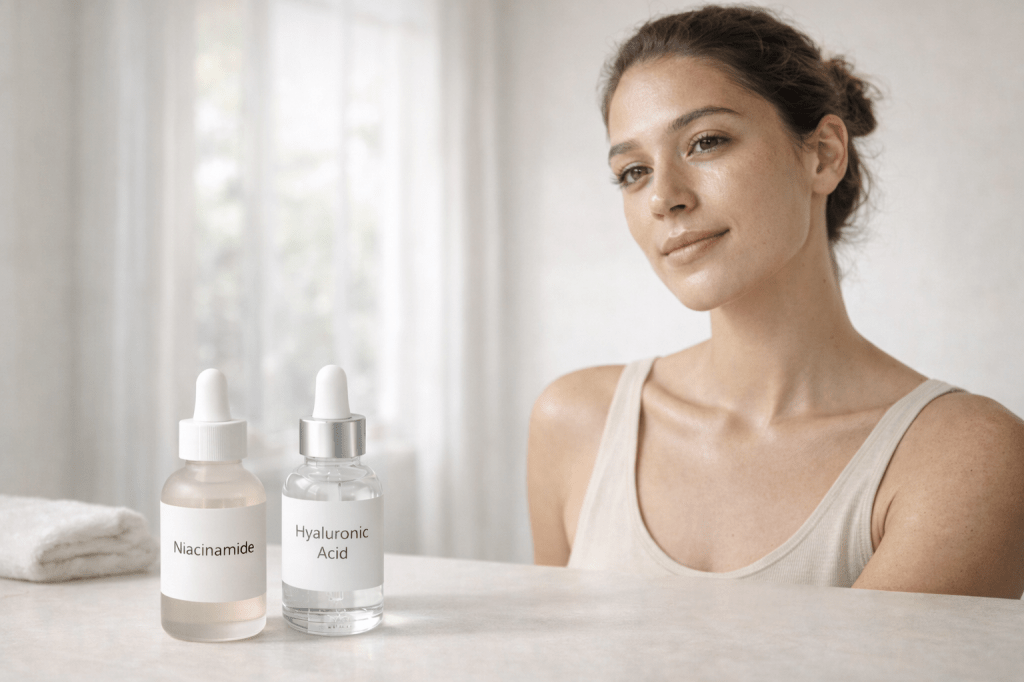
Supporting ingredients amplify the benefits. The best vitamin C serums don’t work in isolation. Look for formulas that include hydrating ingredients like hyaluronic acid to keep skin plump and comfortable. Vitamin E pairs beautifully with vitamin C, enhancing stability and antioxidant protection. Niacinamide can help soothe skin and improve barrier function, while ceramides offer additional repair and protection.
Finding Your Perfect Match: Recommendations by Skin Type
For Dry or Dehydrated Skin
If your skin feels tight, looks dull, or drinks up moisturizer like it’s been stranded in the desert, you need a vitamin C serum that hydrates while it brightens.
Seek out formulas that combine vitamin C with moisture-binding ingredients like hyaluronic acid or glycerin. These help prevent that uncomfortable tightness some vitamin C serums can cause. Products featuring vitamin E alongside vitamin C are particularly beneficial, as they work together to nourish dry skin while tackling fine lines and uneven tone.
<< See COSRX Pure Vitamin C 23% Serum with Vitamin E & Hyaluronic Acid on Amazon >>
The texture matters here too — look for serums with a slightly richer, more lotion-like consistency rather than watery formulas that might evaporate quickly.
For Oily and Acne-Prone Skin
Contrary to what you might think, oily skin absolutely benefits from vitamin C serums. You just need the right formulation.
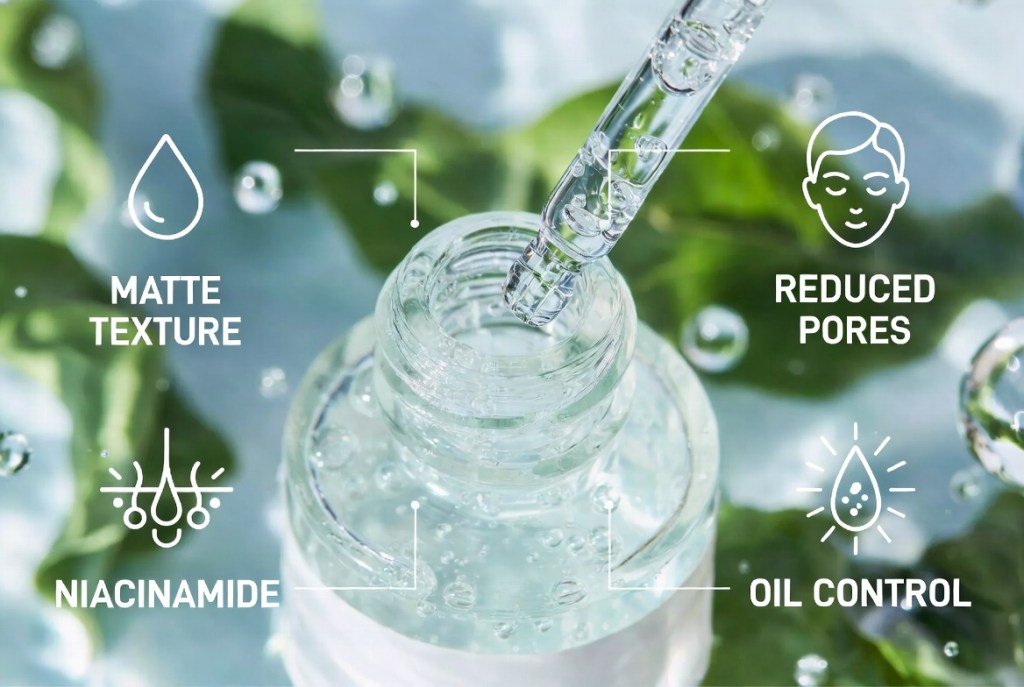
Lightweight, water-based serums with L-ascorbic acid work beautifully for oily complexions. These formulas brighten skin and fade those frustrating post-acne marks without adding any greasiness or clogging pores. An added bonus? Properly formulated vitamin C serums can actually help regulate excess oil production over time, leading to improved texture and less noticeable pores.
Look for concentrations between 10% and 15%, and bonus points if the formula includes niacinamide, which helps control sebum while reducing inflammation. Avoid heavy oils or thick textures that might trigger breakouts.
<< See The Ordinary Ascorbyl Glucoside Solution 12% on Amazon >>
For Sensitive or Reactive Skin
If your skin tends to turn red, sting, or react to new products, you’re not doomed to miss out on vitamin C benefits — you just need to be more selective.
Dermatologists consistently recommend gentler vitamin C derivatives for sensitive skin. Tetrahexyldecyl ascorbate and ascorbyl glucoside deliver brightening benefits without the irritation potential of L-ascorbic acid. These forms are typically less acidic, which means less stinging and redness.
Pair these gentler vitamin C types with soothing, barrier-supporting ingredients like hyaluronic acid, ceramides, or calming plant oils. Some formulas designed specifically for sensitive skin use slow-release technology, allowing your skin to reap the benefits gradually without overwhelming your skin barrier.
Start with lower concentrations (5% to 10%) and introduce the product slowly — perhaps every other day initially — to give your skin time to adjust.
<< See Minimalist 10% Vitamin C Face Serum on Amazon >>
For Normal, Combination, or First-Time Users
If you’re blessed with relatively balanced skin or you’re just starting your vitamin C journey, you have the most flexibility in choosing a formula.
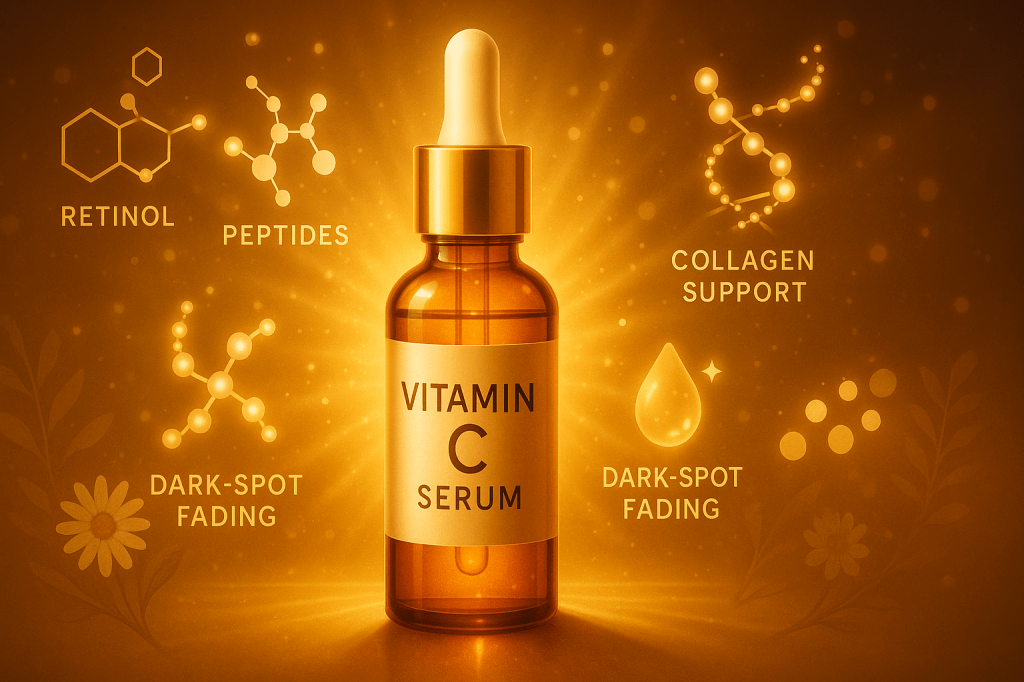
Serums with 10% to 15% vitamin C hit the sweet spot for most people, offering noticeable results without being too aggressive. Multi-vitamin formulas that blend vitamin C with niacinamide, vitamin E, and panthenol (vitamin B5) are excellent “all-in-one” options that simplify your routine while delivering comprehensive benefits.
These balanced formulas typically provide brightening, anti-aging support, and antioxidant protection in one step, making them perfect for straightforward, effective skincare routines.
For Mature or Pigmentation-Focused Skin
If you’re dealing with deeper wrinkles, significant sun damage, or stubborn dark spots, you may benefit from a more potent approach.

Higher-strength formulas — approaching 20% vitamin C — can target these concerns more aggressively, especially if your skin has built up tolerance to active ingredients over time. Some advanced serums even combine vitamin C with retinoids for maximum anti-aging impact, though this combination requires careful introduction.
Look for formulas that include peptides and collagen-supporting ingredients to address firmness alongside brightening. These serums often have a richer texture that works well with mature skin’s needs.
<< See Eva Naturals Vitamin C+ Serum with Retinol >>
Quick Reference Guide
To help you navigate your options, here’s a snapshot of what to look for:
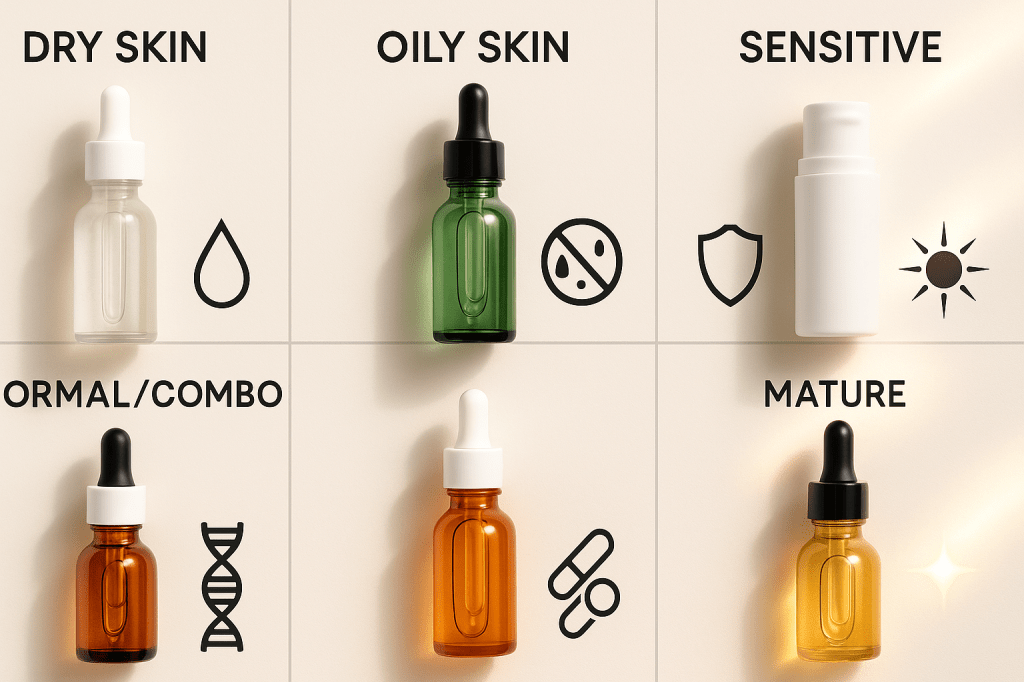
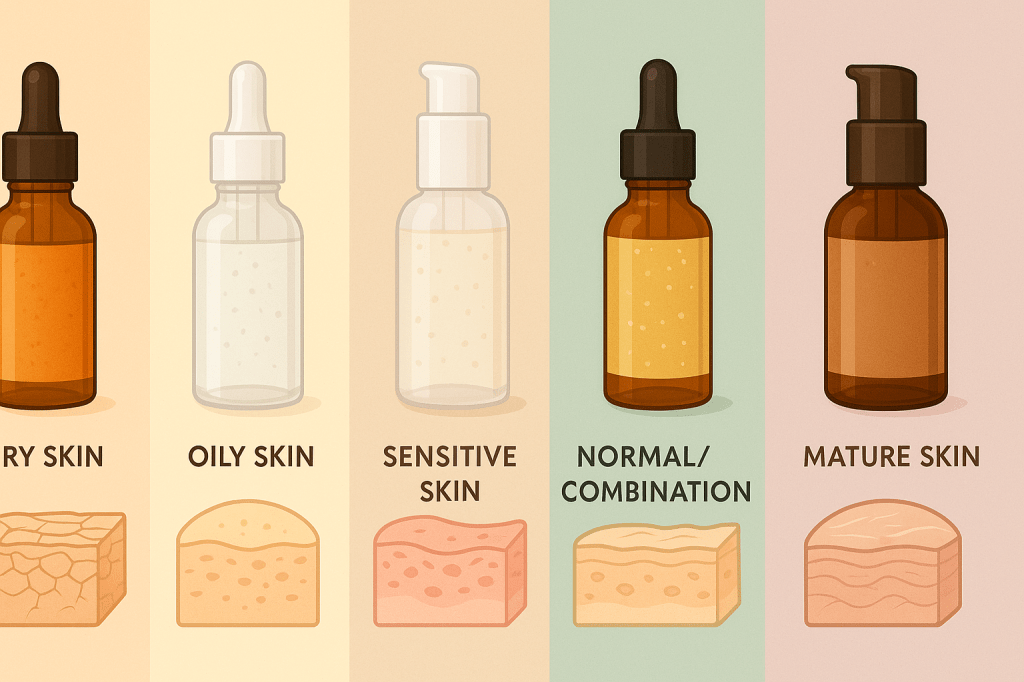
Dry skin: 10-20% vitamin C with hyaluronic acid, vitamin E, and humectants in a serum or lotion texture
Oily skin: 10-15% L-ascorbic acid with niacinamide in a thin, water-based formula
Sensitive skin: 5-10% THD ascorbate or ascorbyl glucoside with barrier-supporting ingredients in a gentle gel
Normal/combination: 10-15% mixed vitamin C forms with niacinamide, vitamin E, and panthenol in a standard serum
Mature skin: Up to 20% vitamin C, sometimes with retinol, plus peptides and collagen-support ingredients in a richer serum
Making It Work for You
Remember that the “best” vitamin C serum isn’t determined by price tag or influencer endorsements — it’s the one that matches your skin’s unique needs and fits seamlessly into your routine. Start slowly, be consistent, and give your skin at least 4-6 weeks to show results.
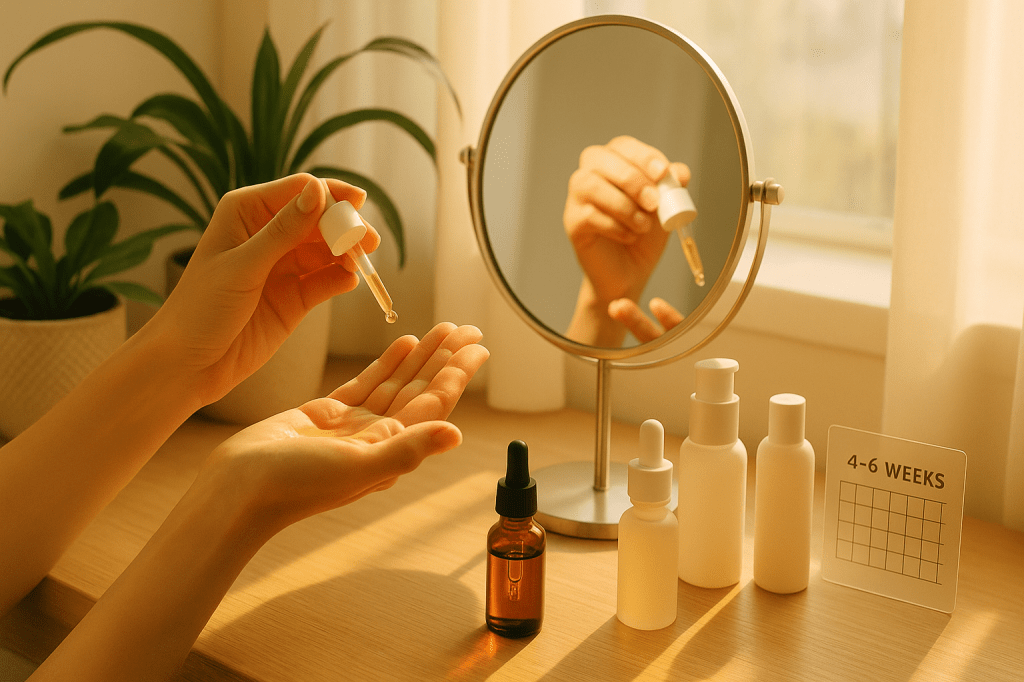
If you experience significant irritation, dial back the frequency or concentration rather than abandoning vitamin C altogether. Your future self will thank you for the radiant, even-toned complexion you’re building today.
 EverGlow Bliss
Leave a comment