
K-beauty has never been short of groundbreaking ingredients — from snail mucin to centella asiatica, Korean skincare consistently pushes the boundaries of science-led beauty. But in 2026, one ingredient has risen above the rest to claim the spotlight: PDRN (polydeoxyribonucleotide). Whether you’ve spotted it on your social feed or seen it popping up in clinic menus, here’s everything you need to know about why PDRN is the most talked-about K-beauty trend this year.
What Exactly Is PDRN?
PDRN stands for polydeoxyribonucleotide — a mouthful, we know. In plain terms, it refers to short DNA fragments extracted primarily from salmon sperm, purified to remove proteins so they’re safe and biocompatible with human skin. Plant-derived versions sourced from ginseng and banana are also emerging for those who prefer a vegan alternative.
What makes PDRN so special is how it works. Rather than sitting on the surface of the skin, PDRN activates the body’s adenosine A2A receptors — molecular “switches” that trigger collagen production, tissue repair, and anti-inflammatory responses at a cellular level. Think of it less as a topical treatment and more as a signal to your skin to heal itself. That’s a pretty big deal.
Why Is PDRN Having Its Moment in K-Beauty Right Now?
K-beauty is shifting. The “glass skin” glow-up era was all about surface radiance, but in 2026, the conversation has evolved into something deeper: bio-regeneration. Consumers want skin that is structurally healthier, not just superficially luminous.
PDRN fits perfectly into this philosophy. Pioneered in South Korean aesthetics clinics years ago — mainly as an injectable treatment called Rejuran — it has now crossed over into mainstream skincare, with brands like Medicube, Anua, and Laneige formulating it into serums, mists, and creams accessible to anyone. The democratisation of a clinic-grade ingredient into your daily routine? That’s very K-beauty.
The Science-Backed Benefits You Can Actually Expect
Let’s talk results, because PDRN has some impressive clinical data behind it:
- Collagen boost: Studies show PDRN can increase type I collagen production by up to 45%, helping to firm skin and visibly reduce fine lines over time.
- Deep hydration: Users report up to a 45% improvement in hydration levels after just four weeks of consistent use, alongside a strengthened skin barrier.
- Calming and anti-inflammatory: PDRN reduces key inflammation markers by 30–40%, making it a powerful option for sensitive, reactive, or redness-prone skin.
- Accelerated repair: It stimulates fibroblast activity — the cells responsible for generating new tissue — which is why it’s so popular post-procedure and for scar healing.
These aren’t just marketing claims. PDRN has been researched in medical settings for wound healing long before it entered the beauty world, which gives it a credibility that trendy ingredients don’t always have.
Your PDRN Treatment Options
PDRN can be delivered in two main ways: professionally in a clinic, or at home through topical products.
In-Clinic Treatments
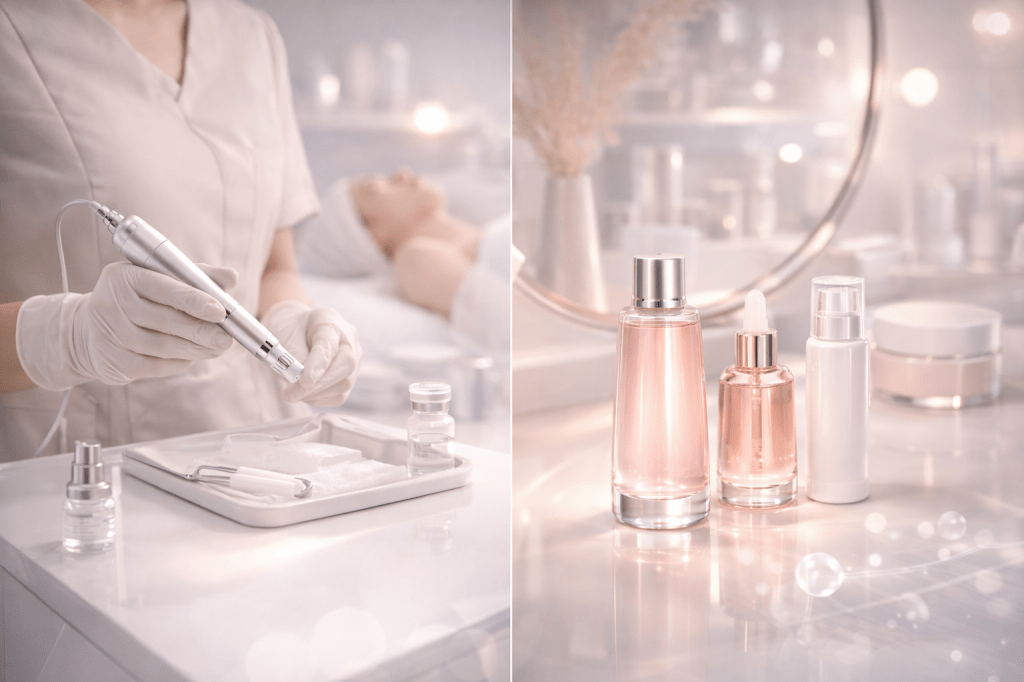
For the most dramatic, fast-tracked results, in-clinic PDRN treatments are the gold standard. Common methods include:
- Injections (e.g. Rejuran Healer): PDRN is injected directly into the skin via micro-papules. Best for deep rejuvenation, scar healing, and structural repair. Expect mild swelling for 24–48 hours post-treatment.
- Microneedling with PDRN: Tiny needles create micro-channels in the skin while PDRN serum is pressed in for deeper absorption. Ideal for overall texture and tone. Redness typically resolves within 1–3 days.
- Mesotherapy: PDRN is delivered in a cocktail of actives through superficial injections. Great for hydration and brightening.
A typical course involves 3–4 sessions spaced 3–4 weeks apart, and combining PDRN with laser treatments has shown to accelerate healing and enhance results. If you’re based in the UK, clinics in London such as Eden Skin Clinic offer PDRN microneedling treatments and are worth exploring.
Important post-treatment tips: Avoid direct sun exposure, retinoids, and AHAs/BHAs for at least 48 hours after any in-clinic session. SPF is non-negotiable.
At-Home Topical Skincare
Not ready for needles? The good news is that the topical PDRN skincare market has exploded, and there are some genuinely brilliant products out there.
Top 2026 picks to try:
- Medicube PDRN Pink Peptide Serum — formulated with 10,000 PPM salmon PDRN plus peptides, this is a firming and restorative powerhouse.
- Anua PDRN Hyaluronic Acid Mist — lightweight, refreshing, and perfect for an instant hydration hit throughout the day.
- Bano PDRN 1000 Cream — a vegan-friendly option using banana-derived PDRN, great for sensitive skin types.
- Laneige Water Bank Serum — incorporates plant-based PDRN for those seeking a cruelty-free formulation from a trusted brand.
How to Build a PDRN Routine at Home
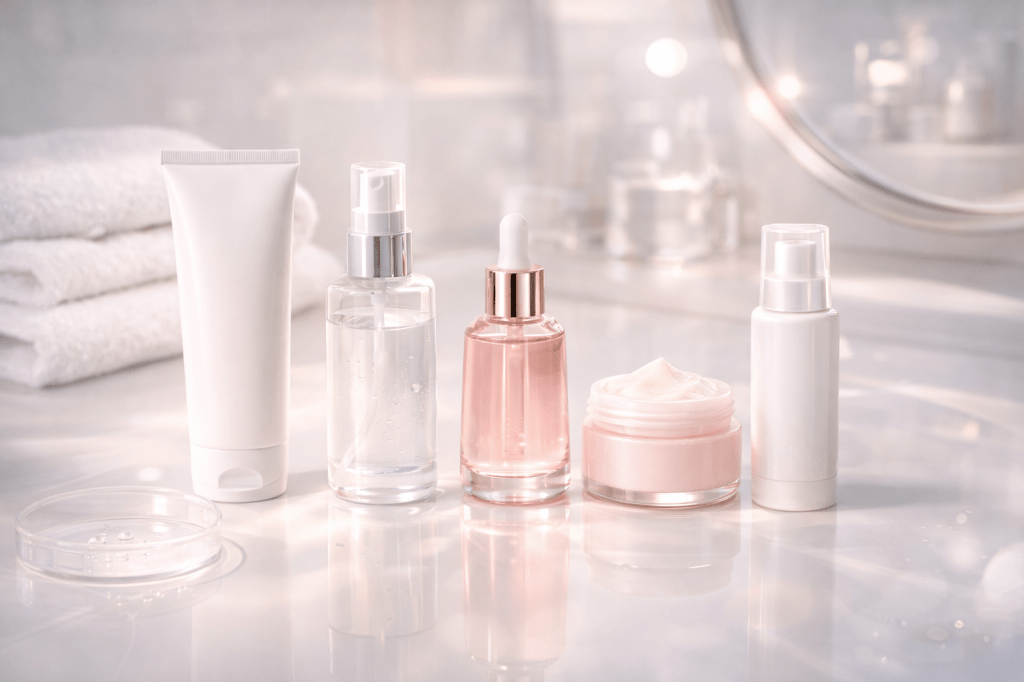
Layering PDRN into your existing routine is simpler than you’d think. Here’s a practical framework:
- Cleanse — Start with a gentle, barrier-respecting cleanser. Anua’s PDRN Foam Cleanser is a natural pairing.
- Mist or essence — Apply a PDRN mist or lightweight essence while skin is still slightly damp to maximise absorption.
- Serum — This is where your star product goes. Pat (don’t rub) a PDRN serum gently into the skin.
- Moisturise — Lock everything in with a nourishing cream or gel moisturiser.
- SPF (morning only) — PDRN encourages new skin cell activity, so protecting it from UV damage is essential.
Use morning and evening for best results, and give it at least four weeks before judging the outcome — skin regeneration takes time.
Is PDRN Safe? What You Should Know
PDRN has an excellent safety profile. Clinical studies have shown minimal toxicity, and the most common side effects — temporary redness or minor bruising from injections — resolve quickly on their own.

That said, there are a few things to keep in mind:
- If you have a fish or seafood allergy, salmon-derived PDRN may not be suitable for you. Opt for plant-based alternatives instead.
- Pregnancy and breastfeeding: As with any active skincare ingredient, it’s best to consult your GP or dermatologist before using PDRN if you’re pregnant.
- Topical formulas are generally very well tolerated, even for sensitive skin types, but always patch test a new product before applying it to your full face.
The Bigger Picture: PDRN and the Future of K-Beauty
PDRN doesn’t sit alone at the top of 2026’s K-beauty ladder — it’s part of a wider “bio-regenerative” movement alongside exosomes and stem cell technology. What connects these trends is a fundamental shift in how we think about skincare: not just masking concerns but actively repairing skin from within.

For content creators, skincare enthusiasts, and everyday consumers alike, PDRN represents a compelling bridge between clinical science and accessible self-care. It’s no longer something reserved for medical spas in Seoul — it’s in your local UK clinic and your online shopping basket.
If you’re serious about levelling up your skincare in 2026, PDRN deserves a place in your routine. The science is solid, the results are real, and K-beauty — as always — is ahead of the curve.
Always consult a qualified skincare professional before starting any new active ingredient, especially for in-clinic procedures.

 EverGlow Bliss
Leave a comment