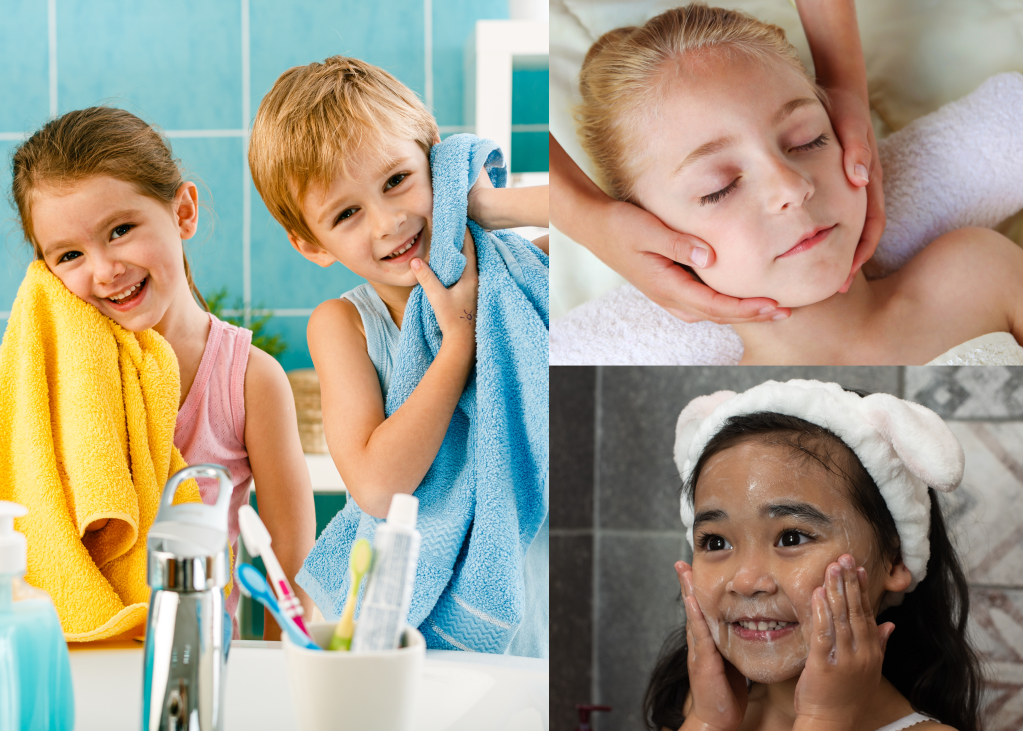
As parents, we want nothing but the best for our children, and that includes taking care of their delicate skin. With so many skincare products on the market, it can be overwhelming to choose the right ones for our little ones. The key is to focus on safe and gentle ingredients that nourish and protect their sensitive skin without causing irritation or harm. In this comprehensive guide, we’ll explore the best ingredients for kids’ skincare, what to avoid, and how to choose the right products for your child.
Understanding the Importance of Natural Skincare for Children
Why Kids’ Skin Needs Special Care
Children’s skin is different from adult skin in many ways. It’s thinner, more sensitive, and more prone to irritation and dryness. The skin barrier, which protects against environmental stressors and locks in moisture, is still developing in children. This means that the products we use on their skin need to be extra gentle and carefully formulated to support healthy skin development.
The Benefits of Using Safe Skincare Products for Children
Using the right skincare ingredients can help:
- Keep skin moisturized and prevent dryness
- Soothe irritation and inflammation
- Protect against environmental damage
- Support the skin’s natural barrier function
- Establish good skincare habits for the future
Top 4 Natural Ingredients for Kids’ Skincare: Benefits and Uses
1. Shea Butter: Nature’s Moisturizer for Children’s Skin
Shea butter is a superstar ingredient in children’s skincare, and for good reason. This natural fat, derived from the nuts of the shea tree, is packed with benefits for delicate skin.
Benefits of shea butter:
- Softens and moisturizes skin deeply
- Has anti-inflammatory properties to soothe irritation
- Promotes healing of minor skin issues
- Rich in vitamins A and E, which nourish the skin
- Creates a protective barrier on the skin
Shea butter is an excellent choice for children with dry or sensitive skin. It’s gentle enough for daily use and can be particularly helpful during harsh winter months when skin tends to become drier.
2. Coconut Oil: A Versatile Solution for Kids’ Skin Health
Coconut oil has gained popularity in recent years as a multi-purpose skincare ingredient, and it’s just as beneficial for children as it is for adults.
Benefits of coconut oil:
- Deeply moisturizes dry skin
- Has natural antibacterial properties
- Can help treat minor skin infections
- Soothes redness and inflammation
- Easy to apply and absorbs quickly into the skin
Coconut oil is particularly useful for addressing issues like dryness, flaking, or redness in children’s skin. It’s also a great natural alternative to petroleum-based moisturizers.
3. Baobab Oil: The African Secret for Nourishing Young Skin
Baobab oil, extracted from the seeds of the African baobab tree, is a lesser-known but highly effective ingredient for children’s skincare.
Benefits of baobab oil:
- Rich in omega fatty acids that nourish the skin
- Contains vitamin E for added moisturization
- Has anti-inflammatory properties to soothe irritated skin
- Promotes a healthy skin barrier
- Absorbs quickly without leaving a greasy residue
Baobab oil is especially beneficial for children with dry or itchy skin. Its unique composition makes it an excellent choice for maintaining skin health and preventing moisture loss.
4. Calendula: Soothing and Healing Properties for Sensitive Skin
Calendula, derived from marigold flowers, has been used for centuries in traditional medicine and skincare. It’s particularly well-suited for children’s delicate skin.
Benefits of calendula:
- Has antifungal, anti-inflammatory, and antibacterial properties
- Excellent for healing minor wounds and scrapes
- Soothes eczema and other skin irritations
- Helps relieve diaper rash
- Gentle enough for daily use on sensitive skin
Calendula is often found in creams, lotions, and oils designed for children. It’s a versatile ingredient that can address a variety of skin concerns while being incredibly gentle.

9 Harmful Ingredients to Avoid in Children’s Skincare Products
While there are many beneficial ingredients for children’s skin, there are also several that should be avoided due to their potential to cause irritation, dryness, or other adverse effects. Here’s a list of ingredients to watch out for:
1. Retinoids: Why They’re Too Harsh for Kids
While these vitamin A derivatives are popular in adult skincare for their anti-aging properties, they’re too harsh for children’s sensitive skin and can cause irritation and photosensitivity. Retinoids work by increasing cell turnover, which can be too aggressive for a child’s delicate skin barrier and may lead to redness, peeling, and increased vulnerability to sun damage.
2. Salicylic Acid and Benzoyl Peroxide: Adult Acne Fighters Not Suitable for Children
These acne-fighting ingredients can be too drying and irritating for children’s skin, potentially leading to skin irritation and discomfort. Salicylic acid and benzoyl peroxide are designed to combat oil production and bacteria associated with adult acne, but they can disrupt the natural balance of a child’s skin, causing excessive dryness and potential long-term damage.
3. Alpha Hydroxy Acids (AHAs): Potential Risks for Young Skin
Ingredients like glycolic acid and lactic acid can be too strong for children’s skin, potentially causing irritation or increased sun sensitivity. AHAs work by exfoliating the top layer of skin, which can be too harsh for children’s thin and delicate skin, leading to inflammation and compromising their skin’s natural protective barrier.
4. Artificial Fragrances: Hidden Dangers in Kids’ Skincare
Artificial fragrances are a common cause of skin irritation and allergic reactions, especially in children with sensitive skin. These synthetic scents often contain a cocktail of chemicals that can trigger rashes, eczema flare-ups, and other skin issues, making fragrance-free options a safer choice for children’s skincare products.
5. Essential Oils: When Natural Isn’t Always Better for Children
While some essential oils can be beneficial in small amounts, high concentrations can irritate children’s skin or cause allergic reactions. Essential oils are potent plant extracts that may be too strong for a child’s sensitive skin, potentially leading to contact dermatitis or other skin sensitivities when used in skincare products.
6. Alcohol-Based Products: Drying Effects on Kids’ Delicate Skin
These can be extremely drying and irritating to children’s skin, disrupting the natural skin barrier and leading to increased sensitivity. Alcohol-based products can strip away the skin’s natural oils, causing dryness, flaking, and potential irritation, which may exacerbate existing skin conditions or create new issues for children.
7. Harsh Detergents and Sulfates: Stripping Natural Oils from Young Skin
Ingredients like sodium lauryl sulfate (SLS) can strip the skin of its natural oils, leading to dryness and irritation. These harsh cleansing agents, often found in soaps and shampoos, can disrupt the delicate pH balance of a child’s skin, potentially causing long-term damage to their skin barrier and increasing the risk of skin sensitivities.
8. Parabens: Controversial Preservatives in Children’s Products
These preservatives have been linked to potential health concerns and are best avoided in children’s skincare products. Parabens have been associated with hormone disruption and other health issues, raising particular concern for use in children’s products due to their potential long-term effects on developing bodies.
9. Other Potentially Harmful Ingredients to Watch Out For
Always be on the lookout for any ingredients that seem harsh or unnecessary in children’s skincare products. This includes ingredients like formaldehyde-releasing preservatives, phthalates, and certain dyes, which may cause skin irritation or have potential long-term health effects that are particularly concerning for children’s developing systems.
How to Choose the Best Skincare Products for Your Child: A Parent’s Guide
Key Factors to Consider When Selecting Kids’ Skincare
- Look for fragrance-free and hypoallergenic options: These products are less likely to cause irritation or allergic reactions.
- Choose products specifically formulated for young or sensitive skin: These are typically gentler and more appropriate for children’s skincare needs.
- Read ingredient labels carefully: Make sure to check for both beneficial ingredients and potentially harmful ones.
Decoding Product Labels: What Parents Need to Know
- Understand common skincare terms and claims
- Look for certifications from reputable organizations
- Be wary of marketing buzzwords that may not have substantial meaning
Top Brands Offering Safe and Effective Kids’ Skincare in 2024
Consider reputable brands that specialize in children’s skincare or have a good track record of producing gentle, safe products. For example, Bubble skincare has gained popularity for being fragrance-free, cruelty-free, and specially formulated for young skin.
Introducing a Skincare Routine for Kids: Tips and Best Practices
Age-Appropriate Skincare: What Products to Use and When
- Start with the basics: Begin with a gentle cleanser and moisturizer before introducing any additional products.
- Introduce only one product at a time: This allows you to monitor for any potential reactions and identify which product might be causing issues if they arise.
- Perform a patch test: Before using any new product, apply a small amount to a small area of skin (like the inside of the wrist) and wait 24-48 hours to check for any adverse reactions.
Making Skincare Fun: Encouraging Healthy Habits in Children
- Turn skincare into a fun, bonding activity to encourage your child’s participation and interest in taking care of their skin.
- Use colorful, child-friendly packaging and applicators
- Incorporate skincare into daily routines with songs or games
When to Consult a Pediatric Dermatologist About Your Child’s Skin
- If you notice persistent skin issues or reactions to products
- For guidance on treating specific skin conditions like eczema or severe dryness
- When considering more advanced skincare routines as your child grows older
Nurturing Healthy Skin for a Lifetime
The Long-Term Benefits of Early Skin Care Education
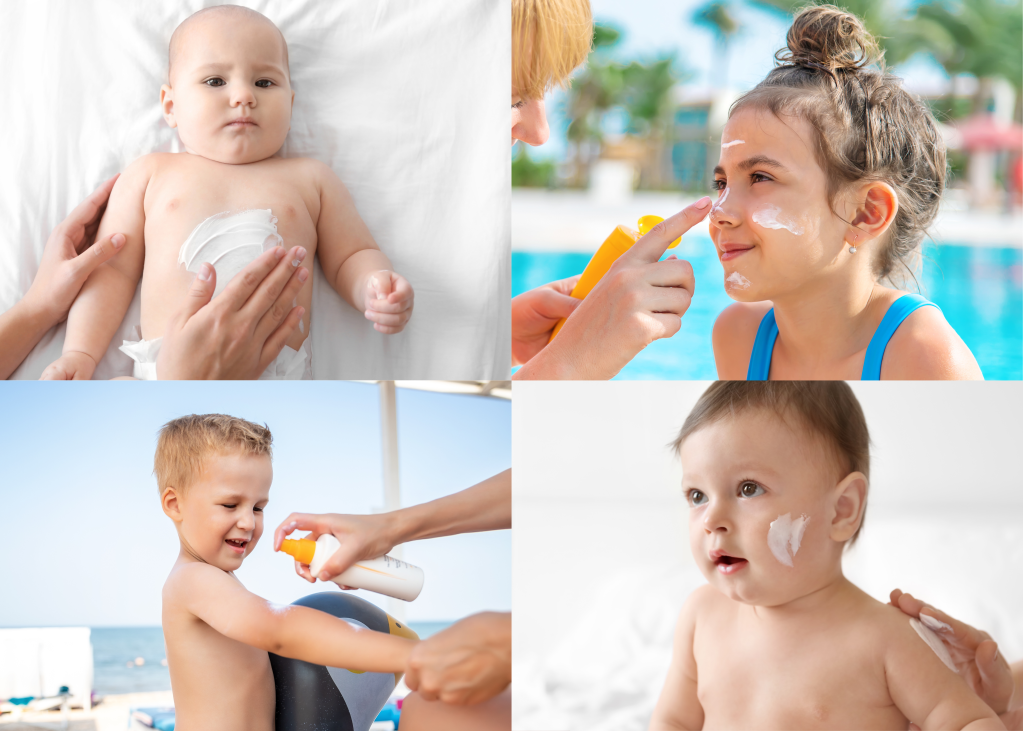
By prioritizing safe and gentle skincare from an early age, you’re not just addressing your child’s current skin needs – you’re setting them up for a lifetime of healthy skin habits. This early education can lead to:
- Better understanding of personal skin needs
- Increased confidence in skincare choices as they grow older
- Potentially fewer skin issues in adolescence and adulthood
Empowering Parents to Make Informed Skincare Choices for Their Kids
Remember that every child’s skin is unique, so what works for one may not work for another. Pay attention to how your child’s skin reacts to different products and be willing to adjust your routine as needed. With patience and the right approach, you can help your child develop healthy, glowing skin that will serve them well throughout their life.
By focusing on gentle, natural ingredients and avoiding harsh chemicals, you can help maintain your child’s delicate skin while establishing good skincare habits for the future. And that’s a gift that will keep on giving for years to come.

 EverGlow Bliss
Leave a comment