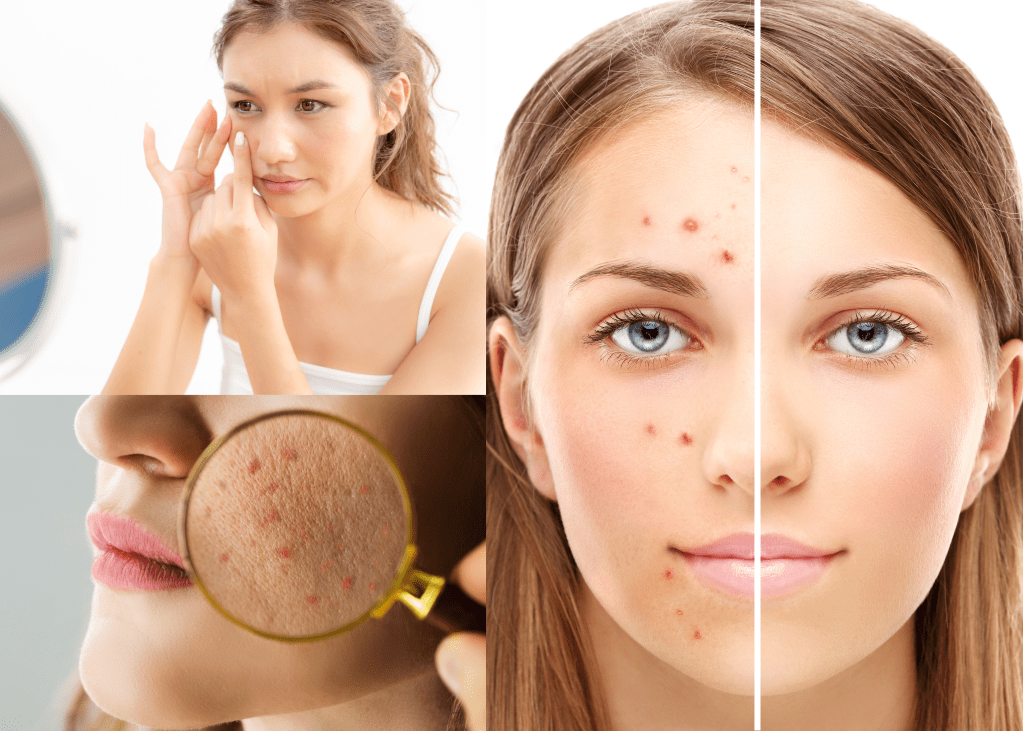
Adolescence is a time of significant changes not only in life but also in the human body. One of the most noticeable changes during this period is the condition of the skin. Hormonal shifts can lead to various problems such as acne, oily skin, dryness, enlarged pores, and all of this often affects self-confidence. Proper skincare during adolescence can help avoid many unpleasant issues and keep the skin healthy.
Why Skincare Matters in Your Teenage Years
During teenage years, the body starts producing hormones more actively, particularly androgens. These hormones stimulate the sebaceous glands, leading to increased oil production. This, in turn, can cause clogged pores and the development of pimples, blackheads, and inflammation. Improper care, overcleansing, or using unsuitable skincare products can only worsen the situation.
Proper skincare helps not only deal with existing problems but also prevent future issues. The basic principles of skincare routine at this age include cleansing, moisturizing, sun protection, and treatment when necessary. It’s also important to understand that different skin types require different products and approaches.
How to Determine Your Skin Type
Before choosing skincare products, it’s essential for a teenager to determine their skin type. There are several skin types:
- Normal skin: balanced, without excessive oiliness or dryness.
- Oily skin: characterized by increased oil production, leading to a shiny appearance and a tendency for acne.
- Dry skin: feels tight, dry, and may sometimes flake.
- Combination skin: some areas of the face are oily (usually in the T-zone: forehead, nose, chin) and other areas have normal or dry skin (cheeks, cheekbones).
Once you’ve determined your skin type, you can select the most suitable products and create a proper skincare routine.
Key Steps in Skincare Routine
1. Cleansing: The Foundation of Healthy Skin
Cleansing the skin is the first and most important step in skincare. Young skin needs daily cleansing as it accumulates not only oil but also dust, dirt, and makeup residues (if used). Cleansing should be gentle to avoid stripping the skin or damaging its protective barrier. It’s best to use gels or foams that suit your skin type.
For oily and acne-prone skin, perfect cleansing products contain salicylic acid or tea tree oil that help clear pores and reduce oil production. For dry or sensitive skin, look for cleansers with moisturizing ingredients like aloe vera or hyaluronic acid.
2. Toning: Balancing Your Skin’s pH
Using a toner helps restore the skin’s pH balance after cleansing and prepares it for the next steps of care. For teens prone to acne, toners with antibacterial and anti-inflammatory properties (like tea tree extract) are beneficial. Avoid products with a high alcohol content as they can dry out the skin and trigger more oil production.
3. Hydration: Moisturizing for All Skin Types
Regardless of skin type, skin hydration is crucial. Even oily skin needs moisture, as a lack of hydration can cause sebaceous glands to produce more oil to compensate. For oily skin, opt for lightweight moisturizers like gels or oil-free lotions, while for dry skin, choose richer creams with hydrating ingredients like shea butter or panthenol.
4. Sun Protection: Shielding Your Skin from UV Damage
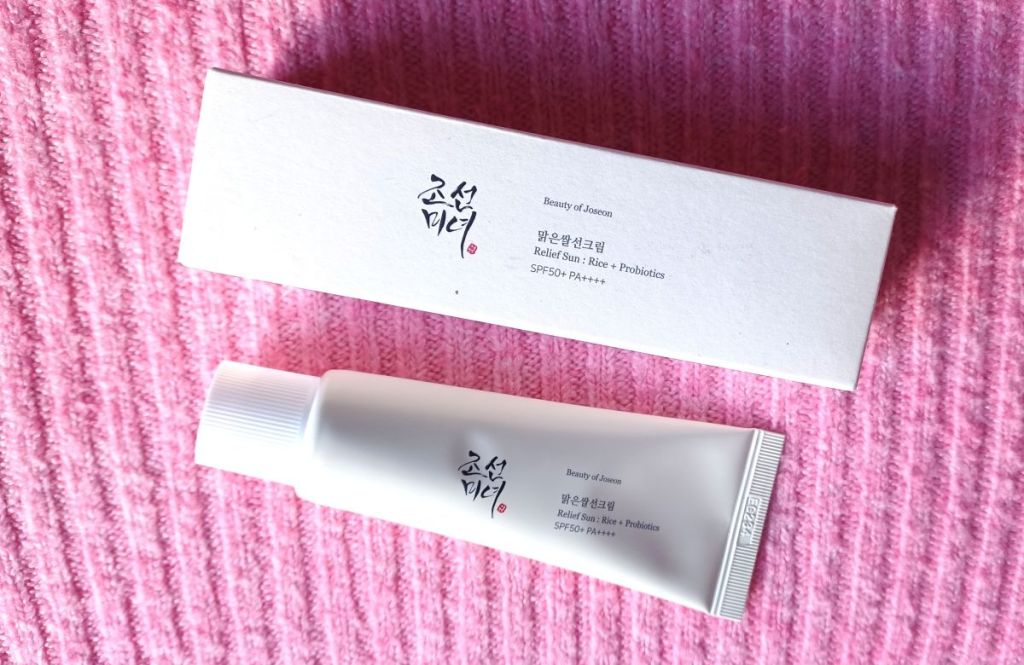
One of the most important aspects of skincare is protection from ultraviolet radiation. Even at a young age, excessive sun exposure can lead to pigmentation spots, premature skin aging, and an increased risk of skin cancer. Teens should get into the habit of using sunscreen with at least SPF 30, especially if they spend a lot of time outdoors.

Additional Skincare Tips
Using Masks and Peels
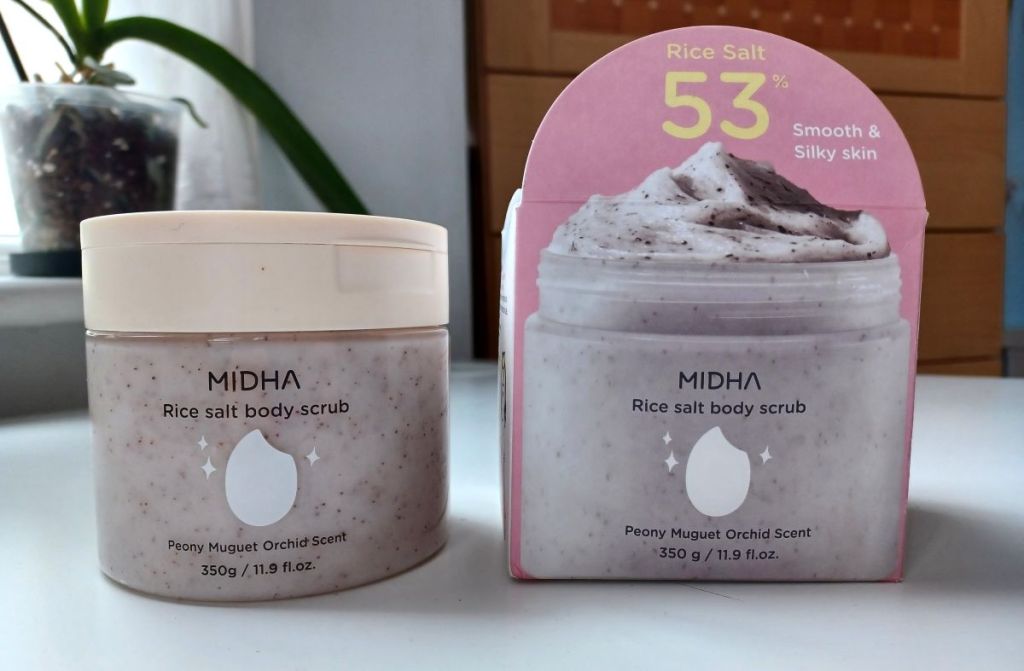
Teenagers are recommended to use cleansing masks (like clay-based ones) no more than 1-2 times a week. These help to deep-clean pores and reduce oiliness. Gentle exfoliation can also be beneficial, helping remove dead skin cells and promote cell renewal. However, it’s essential not to overdo it to avoid damaging the skin’s natural barrier.
Avoid Touching Your Face
Hands can carry bacteria that may cause inflammation on the skin. Young people should be taught not to touch their faces, especially not to pick at pimples. This can worsen inflammation and lead to scarring.
Healthy Diet and Hydration
Skin health is closely tied to overall well-being. A healthy diet rich in vegetables, fruits, healthy fats, and proteins can improve skin condition. It’s also important to drink enough water to keep the skin hydrated from the inside.
Consistency in Skincare
One of the most common mistakes teenagers make is inconsistent skincare. Even if the skin looks clear, it’s crucial not to skip daily cleansing and moisturizing. Consistency is the key to healthy and glowing skin.
Treating Acne and Other Issues
Acne is one of the most common problems during teenage years. Mild acne can be treated at home with products containing salicylic acid, benzoyl peroxide, or retinoids. However, for severe inflammation or deep cystic acne, it’s best to consult a dermatologist. The doctor can prescribe more serious treatments, which may include topical treatments or oral medications.
It’s also important to remember that any treatment takes time. Treating acne is a process that can take several weeks or months, so patience is essential, and treatment should not be stopped after the first signs of improvement.

Your Journey to Healthy, Glowing Skin Starts Now
Proper skincare during teenage years is not just a matter of aesthetics but also health. It’s important to learn about your skin and understand its needs. Choose the right products and stick to a regular skincare routine. These habits will not only help deal with temporary issues but also lay the foundation for healthy, beautiful skin for years to come.
You may also like:

 EverGlow Bliss
Leave a comment