
Peptides have become a popular buzzword in skincare, but what exactly are they, and what do they do for your skin? If you’ve been hearing about peptide serums, moisturizers, and creams but aren’t sure if they’re worth the hype, this article will guide you through everything you need to know about peptides in skincare.
What Are Peptides?
Peptides are short chains of amino acids, which are the building blocks of proteins like collagen, elastin, and keratin. These proteins are essential for skin strength, texture, and resilience. While proteins are larger and may not penetrate the skin deeply, peptides, due to their smaller structure, can reach further into the skin layers and potentially trigger a variety of beneficial processes.
When applied to the skin, peptides can act as messengers, signaling skin cells to perform specific functions such as producing collagen, healing damaged skin, or maintaining hydration. Essentially, peptides can “trick” your skin into thinking it’s been injured, prompting it to start repairing itself and boosting collagen production.
Types of Peptides in Skincare
There are several types of peptides used in skincare, each with unique benefits:
- Signal Peptides: These are among the most common in skincare and encourage the skin to produce more collagen and elastin, leading to firmer and smoother skin.
- Carrier Peptides: Carrier peptides deliver essential minerals to the skin, such as copper, which has been shown to aid in wound healing and collagen synthesis.
- Enzyme-Inhibitor Peptides: These peptides inhibit enzymes that break down collagen in the skin, helping to slow down collagen degradation and maintain firmness.
- Neurotransmitter Peptides: Sometimes referred to as “botox-like” peptides, these peptides relax facial muscles to reduce the appearance of wrinkles caused by repetitive movements, such as smile and frown lines.
Benefits of Peptides for Skin
- Increased Collagen Production: As we age, collagen production naturally declines, leading to sagging and wrinkles. Peptides help signal cells to produce more collagen, contributing to a firmer and plumper complexion.
- Improved Skin Barrier Function: A healthy skin barrier keeps moisture in and harmful elements out. Some peptides can enhance this barrier function, preventing water loss and keeping skin hydrated.
- Reduced Fine Lines and Wrinkles: By encouraging collagen synthesis and relaxing facial muscles, peptides can help smooth out fine lines and wrinkles over time, giving the skin a more youthful appearance.
- Enhanced Skin Texture and Elasticity: The boost in collagen and elastin from peptide use helps improve skin texture and resilience, making the skin look and feel firmer.
- Reduced Inflammation and Faster Healing: Certain peptides have anti-inflammatory properties, which can help calm irritated skin, reduce redness, and support skin recovery from breakouts or environmental stress.

How to Use Peptides in Your Skincare Routine
Adding peptides to your skincare routine is relatively simple, as many peptide products are designed to be layered with other skincare items. Here’s a general guide on how to incorporate them:
- Cleanse: Start with a gentle cleanser to remove dirt and makeup from your skin.
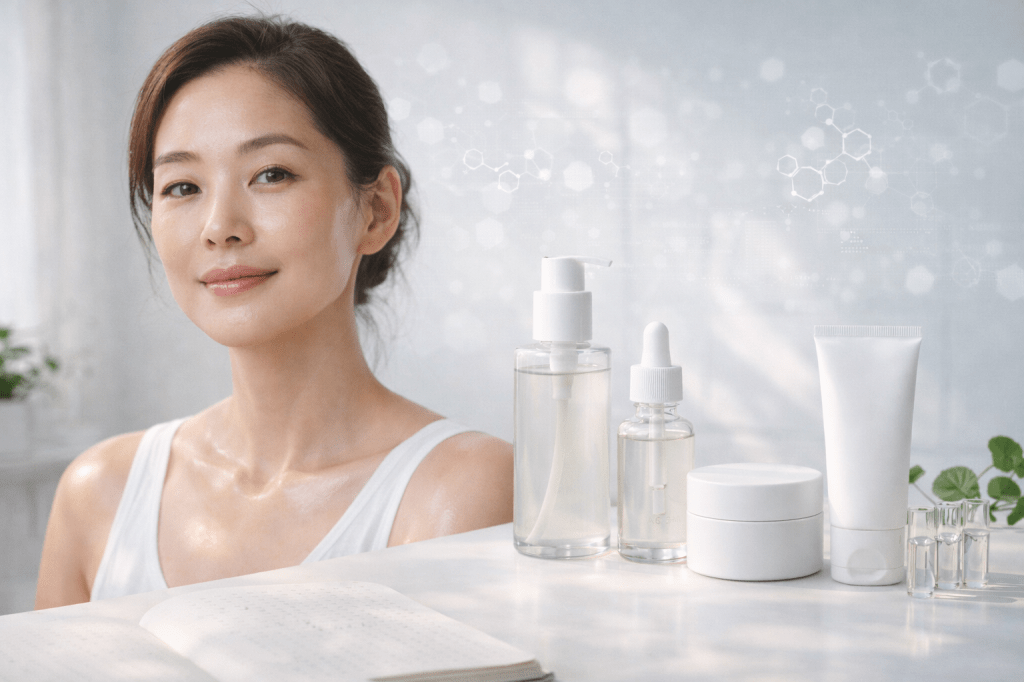
- Apply Peptide Serum: Peptide serums are often lightweight and can be applied after cleansing. Apply a few drops to your face and neck, gently patting the product into your skin.
- Moisturizer or Cream: Many moisturizers and creams contain peptides and can be used over a serum. Look for products with peptides if you’re hoping to add them into your hydration step.
- Use Peptides Both Morning and Night: Peptides are generally safe to use twice daily. However, follow any specific instructions provided with your product.
Peptides vs. Other Anti-Aging Ingredients
How do peptides compare to other popular skincare ingredients, like retinoids and hyaluronic acid? Each ingredient has unique benefits, and often, they can work well together:
- Retinoids: Retinoids stimulate cell turnover and collagen production but can be irritating to sensitive skin. Peptides are generally gentler and can be used with retinoids to enhance their anti-aging effects.
- Hyaluronic Acid: This powerful humectant attracts moisture to the skin, plumping it up and keeping it hydrated. While it doesn’t boost collagen, it pairs well with peptides to give a firm and hydrated look.
- Vitamin C: Vitamin C is an antioxidant that protects the skin from free radicals and brightens the complexion. Combining it with peptides can support collagen synthesis and overall skin health.
Are Peptides Safe for All Skin Types?
Peptides are typically safe and well-tolerated by most skin types, including sensitive skin. They’re non-irritating, making them a good choice for those who can’t use stronger ingredients like retinoids. However, as with any skincare product, it’s best to patch-test a new peptide product on a small area of your skin before using it all over your face.
Choosing the Right Peptide Product
Not all peptides are created equal, and quality matters when choosing a peptide skincare product. Here are some tips for selecting the best peptide product:
- Look for Products with Stable Formulations: Peptides can be unstable and degrade quickly, so choose products from reputable brands that ensure stability and efficacy.
- Check for Complementary Ingredients: Peptides work well with ingredients like hyaluronic acid, niacinamide, and ceramides, which enhance hydration and barrier support.
- Consider Texture Preferences: Peptides are available in various formulations, from serums to creams. Serums often penetrate quickly, while creams provide a richer hydration layer.
Potential Downsides of Peptides
While peptides are generally safe and effective, there are some things to keep in mind:
- Slow, Subtle Results: Peptides aren’t instant miracle workers. They work gradually over time, so consistent use is essential.
- Product Inconsistencies: Some products might claim to contain peptides but may have minimal concentrations that won’t provide noticeable results. Look for clinically backed products to ensure quality.

Final Thoughts
Peptides are a versatile and beneficial ingredient for anyone looking to improve skin firmness, reduce wrinkles, and boost hydration. Whether you’re just beginning an anti-aging skincare routine or adding to an existing one, peptides are a gentle yet effective way to support skin health. When choosing peptide products, consider quality, formulation, and the additional ingredients that best complement your skin’s needs for a smoother, more youthful appearance.
 EverGlow Bliss
Leave a comment