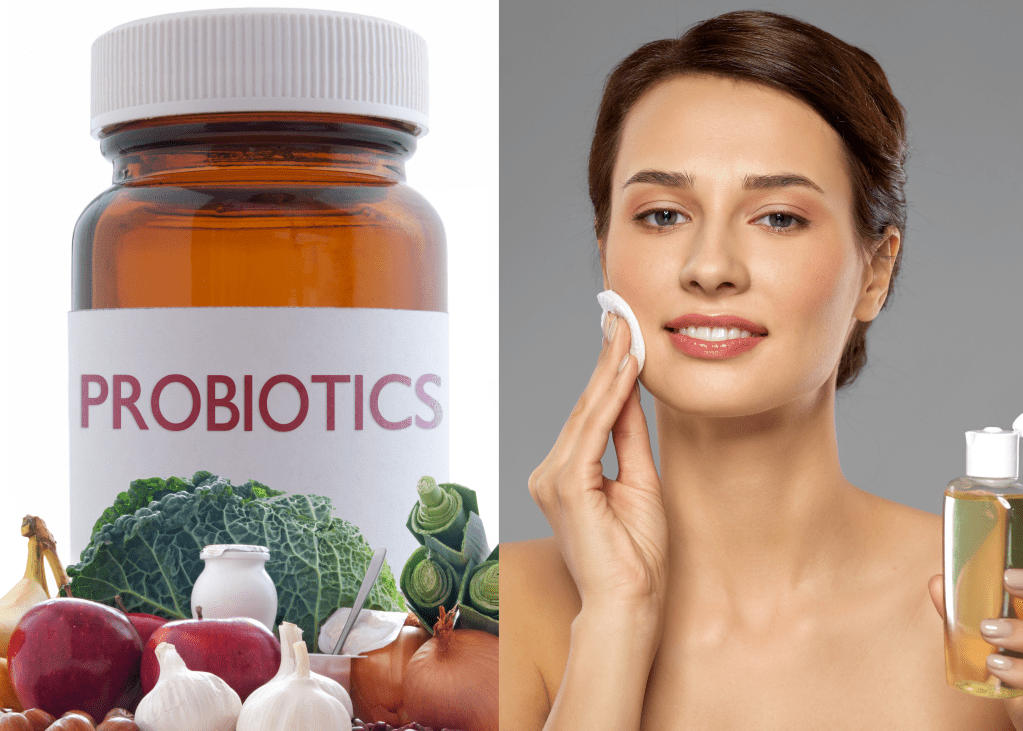
In today’s world of skincare, new trends and emerging ingredients continually vie for our attention. Yet, one powerhouse element has become increasingly notable in dermatological circles: probiotics. Originally famous for their role in promoting gut health, probiotics are now recognized for their benefits to skin health, functioning as a critical link between inner wellness and external beauty. Understanding how probiotics support skin vitality and how to incorporate them into your routine can be transformative for both health enthusiasts and those navigating specific skin concerns.
What Are Probiotics?
Before delving into the skin benefits, it’s crucial to define what probiotics are. Probiotics are live microorganisms, mostly bacteria and some yeasts, that are beneficial to the human body. Though bacteria are often associated with disease, probiotics fall into the “friendly bacteria” category. They help maintain a balance in our body’s ecosystems, particularly in the gut. When ingested or applied topically, probiotics can impact various systems, including the skin, our body’s largest organ and a dynamic barrier between the external environment and our internal systems.
The Gut-Skin Connection: The Foundation of Probiotic Benefits
The concept of the gut-skin axis has revolutionized how we think about skincare. This axis refers to the bidirectional relationship between our gastrointestinal health and our skin health. Emerging studies suggest that an imbalance in gut bacteria – often caused by diet, stress, or antibiotics – can manifest through skin issues such as acne, eczema, and premature aging. By supporting a healthy gut microbiome, probiotics can indirectly influence the skin’s condition.
The gut is lined with trillions of bacteria that help digest food, synthesize vitamins, and ward off pathogens. When the gut flora is imbalanced, inflammation can arise, disrupting the skin’s natural barriers and triggering inflammatory skin conditions. By restoring the equilibrium in our gut microbiome, probiotics may reduce overall inflammation, benefiting the skin from the inside out.
How Probiotics Enhance Skin Health
1. Strengthening the Skin Barrier
The skin barrier is a protective layer that keeps moisture in and harmful pathogens out. Probiotics have been shown to strengthen this essential barrier by promoting the production of antimicrobial peptides and ceramides, natural compounds that maintain skin hydration and defense. By enhancing the integrity of the skin barrier, probiotics help prevent dryness, irritation, and sensitivity, making the skin more resilient to environmental stressors.
2. Balancing Skin Microbiota
Our skin also hosts its own microbiome – a diverse community of microorganisms that plays a pivotal role in skin health. Just like the gut, an imbalance in the skin microbiota can lead to issues like breakouts, inflammation, and infection. Topical probiotic treatments can help normalize the skin’s microbiome, keeping harmful bacteria in check and reducing the occurrence of conditions like acne and rosacea. Balanced microbiota also foster a smoother, clearer, and more even skin tone.
3. Reducing Inflammation and Calming Irritation
Inflammation is a root cause of many skin concerns, from redness to chronic conditions like psoriasis and eczema. Probiotics have demonstrated anti-inflammatory properties, reducing the production of inflammatory cytokines in the body. For those who experience skin inflammation due to autoimmune conditions or external irritants, incorporating probiotics can calm symptoms and promote healing. This anti-inflammatory action can also benefit acne-prone skin by reducing the severity and frequency of breakouts.
4. Managing Acne and Blemishes
Acne is one of the most common skin conditions influenced by both external and internal factors, including bacteria and inflammation. Probiotics can help acne sufferers in multiple ways. First, they inhibit the growth of harmful bacteria like Propionibacterium acnes, which is known to cause inflammation in acne lesions. Second, probiotics have been observed to reduce skin sebum production, which often contributes to clogged pores. By restoring balance to both the gut and skin microbiome, probiotics can address the underlying causes of acne rather than merely treating the symptoms.
5. Combatting Premature Aging
While aging is inevitable, the process can be accelerated by oxidative stress, inflammation, and environmental damage. Probiotics can help slow the aging process by protecting the skin against oxidative stress and enhancing the skin’s repair mechanisms. Certain probiotic strains boost collagen production, a critical protein that keeps skin firm and elastic. Moreover, the hydration benefits provided by probiotics can plump up the skin, reducing the appearance of fine lines and wrinkles. An improved skin barrier also prevents moisture loss, another key factor in maintaining youthful skin.

Topical Probiotics: An Emerging Trend
While ingestible probiotics are well-known, topical probiotics are rapidly gaining traction in the skincare industry. These products contain live or heat-killed beneficial bacteria that can be directly applied to the skin, enhancing its microbiome. Some examples include probiotic-infused creams, serums, and masks, which can target specific skin concerns.
Research has shown that topical probiotics can:
- Decrease sensitivity and redness by promoting a healthier balance of microorganisms on the skin surface.
- Accelerate wound healing and reduce scarring.
- Protect the skin against environmental pollutants and UV damage.
Choosing the Right Probiotic for Your Skin
When selecting probiotics for skin health, it’s essential to consider your unique needs and preferences. Common probiotic strains like Lactobacillus and Bifidobacterium are known for their skin-friendly properties, reducing inflammation and enhancing hydration. For those looking to manage acne, Streptococcus thermophilus can be beneficial due to its ability to increase ceramide production. Consult with a dermatologist or healthcare professional before starting any probiotic regimen, especially if you have underlying skin conditions.

How to Incorporate Probiotics into Your Skincare Routine
- Dietary Sources: Incorporate fermented foods like yogurt, kefir, sauerkraut, and kimchi into your diet. These foods are rich in probiotics and can improve gut health, with a spillover effect on your skin.
- Supplements: High-quality probiotic supplements can be taken daily to support gut health. Look for supplements with a diverse range of bacterial strains and a high CFU (colony-forming units) count.
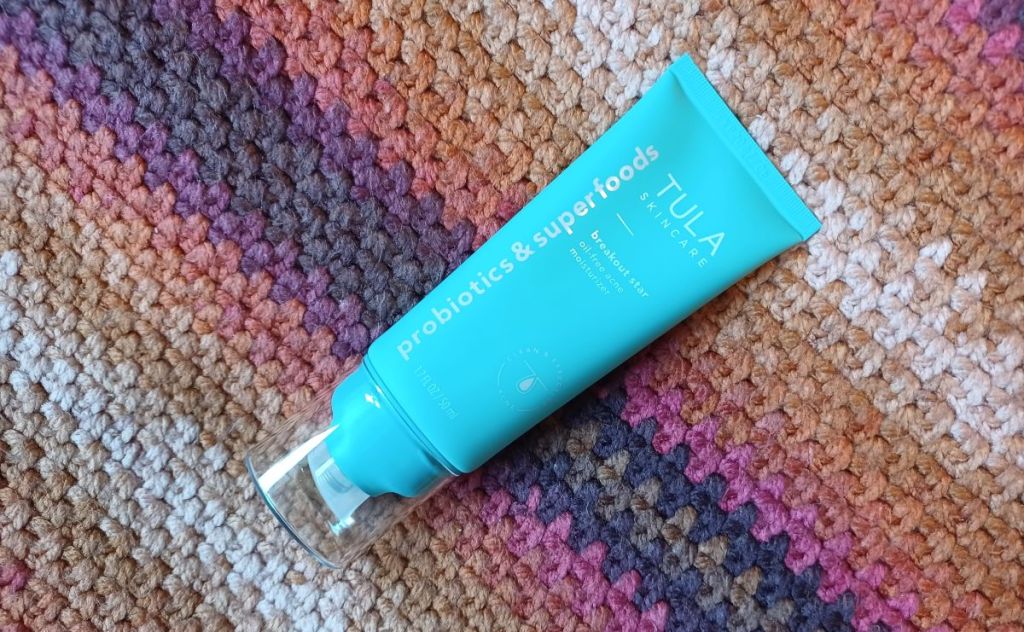
- Topical Skincare: Use probiotic-enriched products that match your skin type and concerns. For sensitive skin, opt for gentle, fragrance-free formulas that contain soothing probiotic strains.
Probiotics are emerging as a crucial player in the quest for healthy, radiant skin. By fostering a balanced microbiome in both the gut and skin, they address skin issues at their root, offering a holistic approach to skincare. As research in this area continues to grow, more people are discovering the beauty of balancing their bodies from the inside out. Whether taken through diet, supplements, or skincare products, probiotics hold immense potential for transforming skin health and overall well-being.
Understanding this connection and incorporating probiotics thoughtfully into your routine can pave the way for healthier, more vibrant skin—proof that beauty truly does come from within.



Leave a Reply