
What Is the Gut–Skin Axis, and Why Does It Matter?
If you’ve ever noticed a breakout after a stressful week or dull skin after a run of bad eating, you’ve experienced the gut–skin connection firsthand. Scientists now have a name for it: the gut–skin axis — a two-way communication network between your gastrointestinal tract and your skin, mediated by gut bacteria, immune signals, hormones, and microbial by-products.
Here’s the key insight: when your gut microbiome falls out of balance (a state known as dysbiosis), the lining of your intestine can become more permeable. This allows bacterial compounds like lipopolysaccharide (LPS) to enter your bloodstream, triggering low-grade systemic inflammation — and that inflammation shows up on your skin.
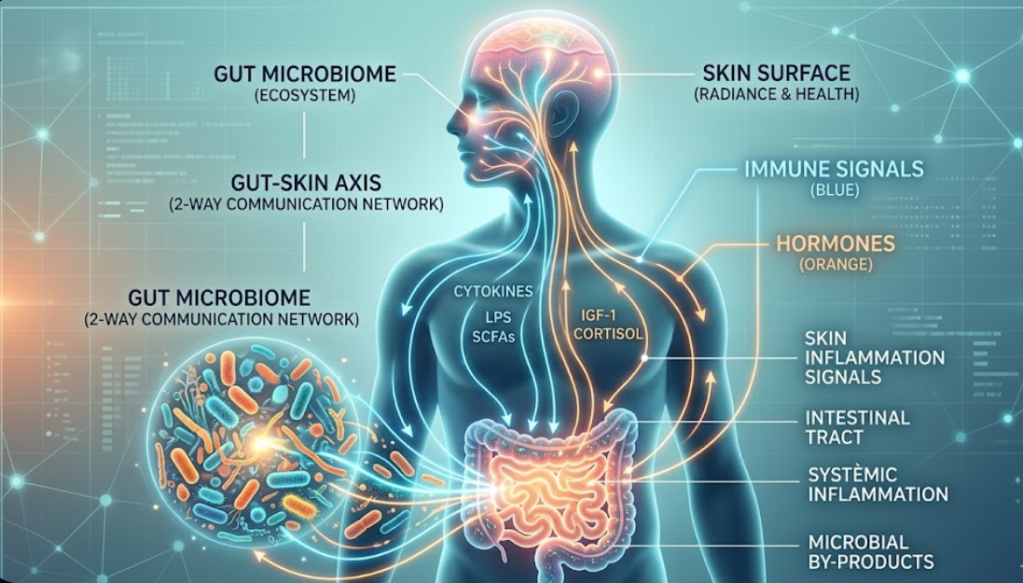
On the flip side, a well-fed, diverse gut microbiome produces short-chain fatty acids (SCFAs) that actively support anti-inflammatory pathways throughout the body, including in the skin. The relationship goes both ways, too: emerging evidence suggests that significant skin inflammation can remodel gut microbial communities in return.
Which Skin Conditions Are Most Linked to Gut Health?
Research published up to 2025 has strengthened the link between gut dysbiosis and several common inflammatory skin conditions, including:
- Acne vulgaris
- Atopic dermatitis (eczema)
- Psoriasis
- Rosacea
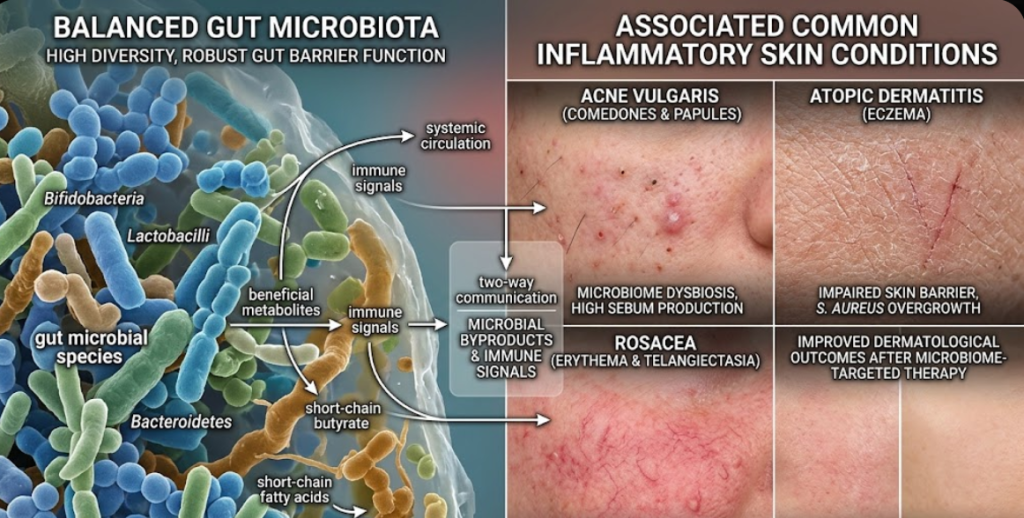
A landmark Mendelian randomisation study identified causal relationships between specific gut microbial species and the risk of developing these conditions — moving the conversation well beyond simple correlation. Randomised controlled trials (RCTs) of microbiome-targeted therapies have shown the clearest results in eczema and psoriasis, where targeted probiotics or synbiotics added to standard treatment led to measurable improvements in disease severity and quality of life.
How Diet Reshapes Your Skin From the Inside Out
Diet is one of the most powerful levers you have for shifting your gut microbiome — sometimes within days. Here’s what the research tells us:
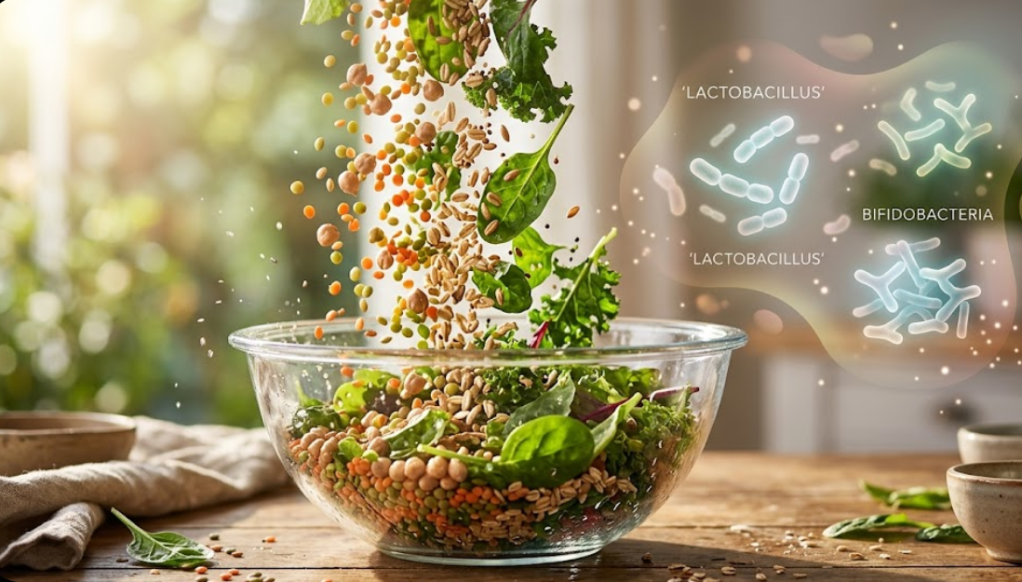
Diets high in processed foods and industrial trans-fats tend to expand potentially harmful bacterial groups while suppressing beneficial species like Bifidobacteria and Lactobacillus — strains strongly associated with producing SCFAs that keep inflammation in check.
Fibre-rich, plant-forward diets, on the other hand, actively fuel those beneficial microbes, supporting both gut barrier integrity and downstream skin health.
The Dietary Patterns Worth Knowing About
A Mediterranean-style approach consistently stands out in both epidemiological and mechanistic research as favourable for gut and skin health alike. The core pillars for skin-focused microbiome support include:
- Plenty of dietary fibre from legumes, whole grains, vegetables, fruits, nuts and seeds
- Polyphenol-rich foods such as berries, green tea, dark cocoa and herbs — which act as fuel for gut bacteria and may generate anti-inflammatory metabolites
- Omega-3 fatty acids from oily fish, flaxseed or chia, which help modulate inflammatory pathways relevant to skin conditions
- Fermented foods like live yoghurt, kefir, kimchi, sauerkraut and miso, which supply beneficial microbes and metabolites
Worth noting: high-glycaemic diets and sweetened dairy drinks are associated with acne flares in observational research, likely through hormonal and inflammatory mechanisms. If you notice personal triggers, moderating refined sugar and certain dairy products is a sensible place to start.
Probiotics, Prebiotics and Synbiotics: What Does the Evidence Actually Say?
A comprehensive 2025 systematic review examined 60 RCTs testing oral probiotics, prebiotics and synbiotics across five skin conditions. Here’s an honest summary of where things stand:
For eczema and psoriasis, the evidence is most robust. Specific Lactobacillus and Bifidobacterium strains, used alongside conventional treatment, have produced meaningful reductions in disease severity scores and improved quality of life in multiple trials. Some maternal and early-life probiotic protocols have also shown preventive effects on eczema in high-risk infants.

For acne, meta-analyses suggest oral probiotics may reduce lesion counts — particularly non-inflammatory comedones — possibly by producing antimicrobial peptides that limit Cutibacterium acnes growth and reducing systemic LPS levels. However, trials remain small and strain-specific effects aren’t yet standardised.
For cosmetic “glow” claims, the honest answer is that direct evidence is sparse. Most studies focus on clinical skin conditions, not aesthetic outcomes. Many beauty-marketed probiotic products have never been tested in an RCT.
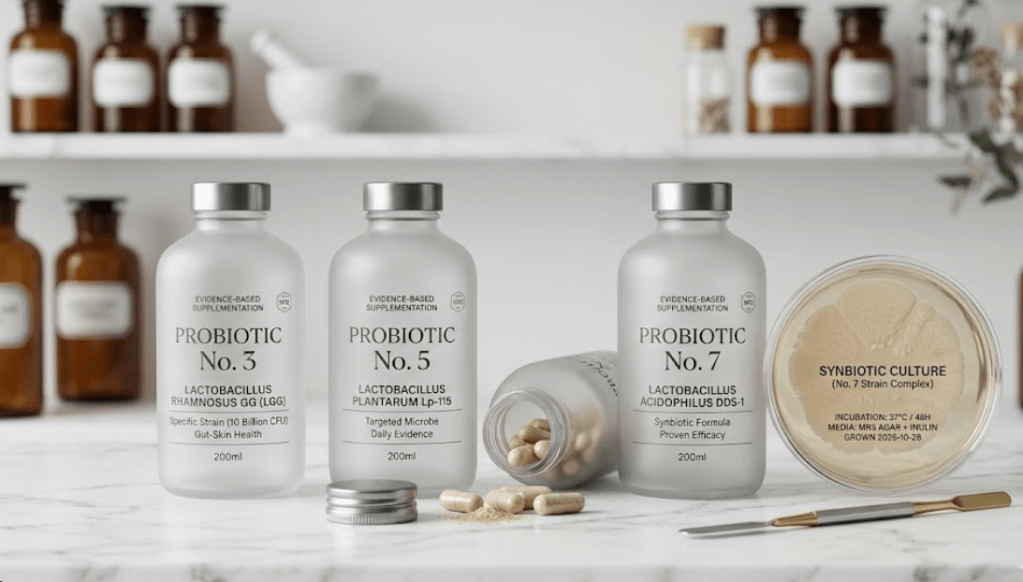
The takeaway? Probiotics are best approached as adjuncts to a comprehensive routine — not as standalone cures. If you’re considering a supplement for a specific skin condition, look for products that reference particular strains and published research, and consider speaking with a healthcare professional first.
Building a Daily Gut–Skin Routine That Actually Works
You don’t need a complicated overhaul. Consistency in a few key areas tends to make the biggest difference.
Nutritional Foundations
Aim for plants at every meal — ideally filling roughly half your plate with vegetables or fruit. Swap refined grains for whole-grain alternatives like oats, brown rice or quinoa. Include legumes (beans, lentils, chickpeas) several times a week, and keep a small portion of fermented food in your daily diet.
Reduce sugar-sweetened drinks and ultra-processed snacks where you can — not out of restriction, but because stabilising your glycaemic load helps keep IGF-1 signalling (implicated in acne) more settled.
Lifestyle Factors That Quietly Matter
Diet gets most of the attention, but these lifestyle habits genuinely shift both microbiome composition and skin health:
- Regular, consistent sleep supports skin barrier repair and hormonal balance — and irregular sleep is linked to systemic inflammation
- Stress management matters because chronic psychological stress alters gut permeability and microbial balance, and is a well-known trigger for inflammatory flares
- Regular physical activity is associated with increased microbial diversity and lower inflammatory tone
- Limiting smoking and heavy alcohol use — both are linked to accelerated skin ageing and disruption of the gut barrier
Don’t Forget Your Skin’s Own Microbiome
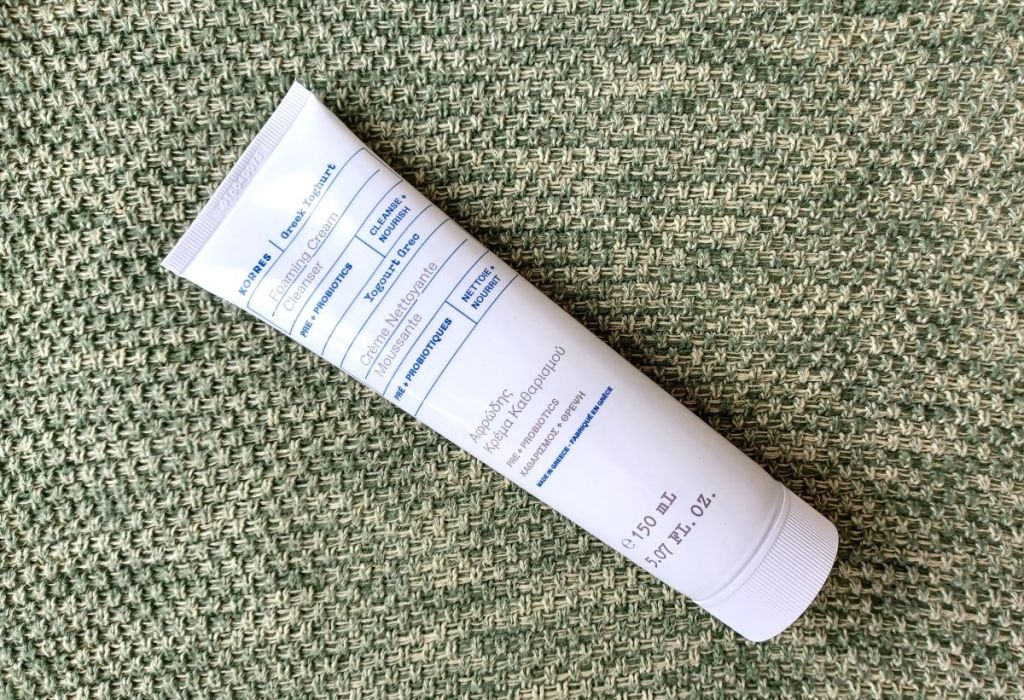
Your skin hosts its own diverse microbial ecosystem that helps defend against pathogens and supports immune regulation. Over-cleansing with harsh surfactants or overusing broad-spectrum antiseptics can disrupt this balance and worsen conditions like eczema or acne.

Microbiome-friendly skincare focuses on gentle, pH-balanced cleansers, barrier-supporting moisturisers rich in ceramides, and avoiding unnecessary antibacterial products. Topical formulations containing postbiotics — non-live microbial metabolites that are more stable than live probiotics — are an active and promising area of research, though most remain investigational in 2026.
Affiliate disclosure: As an Amazon Associate, I earn from qualifying purchases
<< See COSRX Low pH Good Morning Gel Cleanser on Amazon >>
A Realistic Perspective

It’s worth being honest: while the gut–skin axis is scientifically well-grounded, the evidence is still evolving. Most RCTs in this space are small, short in duration, and highly variable in their methodology. Benefits from probiotics appear to be strain-specific and condition-specific — there’s no universal “skin probiotic” that works for everyone.
That said, the holistic habits underpinning gut health — a diverse, plant-rich diet, quality sleep, stress management, and regular movement — are well-supported for overall wellbeing, which means they’re worth pursuing even if the skin benefits take time to show.
Key Takeaways

- The gut–skin axis is a real, two-way communication system with growing clinical evidence behind it
- Fibre-rich, Mediterranean-style diets support beneficial gut microbes and anti-inflammatory metabolite production
- Probiotics show the most promise for eczema and psoriasis as adjuncts to standard care; acne evidence is emerging
- Choose strain-specific supplements with published research behind them — not generic “beauty probiotic” products
- Sleep, stress management and movement are underrated tools in the gut–skin toolkit
- Keep skincare gentle and barrier-supportive to protect your skin’s own microbiome
A healthier gut won’t transform your skin overnight. But over time, these microbiome-aligned habits offer a genuinely evidence-based path toward calmer, clearer and more resilient skin — alongside benefits that go well beyond appearance.
Always consult a qualified healthcare professional or registered dietitian before making significant dietary changes or starting a new supplement regimen, particularly if you have an existing skin or gastrointestinal condition.
You may also like:



 EverGlow Bliss
Leave a comment