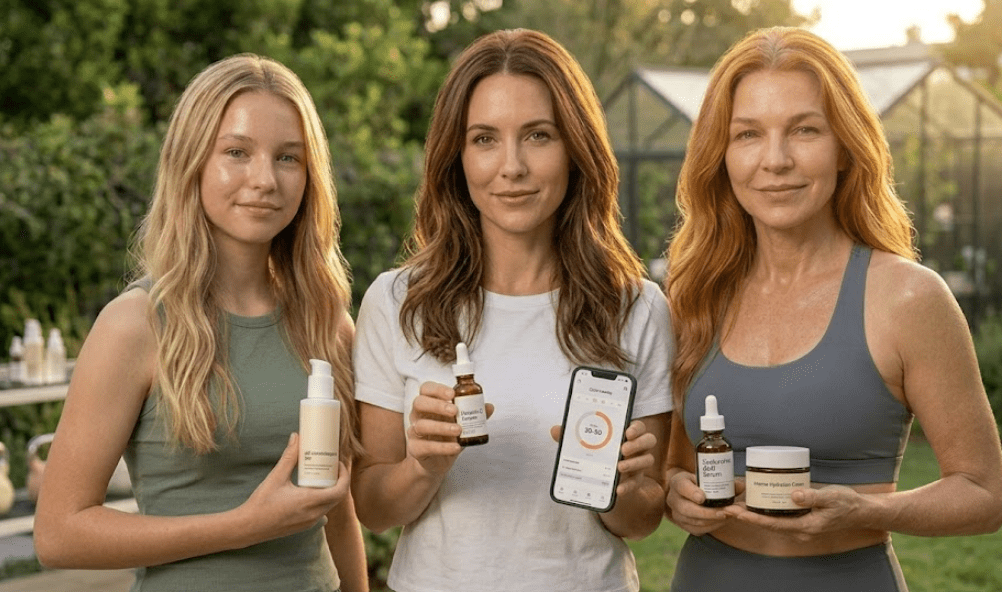
If you’ve ever felt like your skin has a mind of its own — breaking out before a big event, turning dry and dull seemingly overnight, or just refusing to respond to the products you’ve used for years — hormones are almost certainly part of the story. In 2026, the wellness world has finally caught up with what dermatologists and functional medicine practitioners have known for a while: you can’t separate your skin from your hormonal health.
This shift toward a hormones-first approach means asking why your skin is behaving a certain way before reaching for a new serum. Understanding that framework changes everything.
Why Your Hormones Matter More Than Your Moisturiser
Estrogen, progesterone, androgens, cortisol, and insulin all have a direct hand in how your skin looks and feels. They govern how much oil your glands produce, how efficiently your body builds collagen, how reactive your skin becomes, and how well your skin barrier holds up against the environment.

When these hormones shift — through puberty, your monthly cycle, perimenopause, or menopause — your skin reflects those changes immediately. Breakouts, dryness, increased sensitivity, thinning, and dullness aren’t random. They’re hormonal signals worth paying attention to.
Perhaps the most important insight shaping skincare conversations in 2026 is this: low-grade chronic inflammation, driven significantly by hormonal disruption alongside poor sleep, chronic stress, and a processed diet, is now considered one of the primary accelerators of skin ageing. Anti-inflammation has quietly overtaken anti-ageing as the real clinical priority.
Your Teens: Navigating the Androgen Surge
Puberty triggers a sharp rise in androgens, which ramp up sebum production and set the stage for oily skin, blocked pores, and acne — most typically across the forehead, cheeks, and chin.
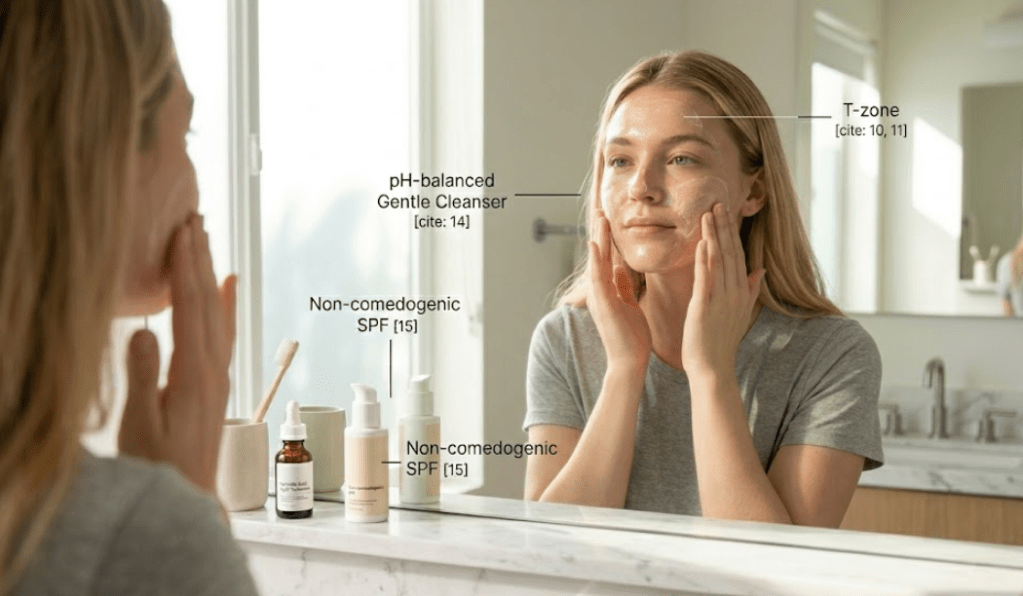
The instinct to scrub aggressively or dry everything out tends to backfire. Instead:
- Cleanse twice daily with a mild, pH-balanced cleanser that clears excess oil without compromising the skin barrier.
- Treat targeted breakouts with salicylic acid or benzoyl peroxide, and make SPF a daily non-negotiable — even at this age.
- Support your skin from the inside by cutting back on sugary drinks, prioritising 8–9 hours of sleep, and managing stress where possible. All three have a measurable impact on androgen-driven oil production.
The fundamentals genuinely matter here, and building these habits early pays long-term dividends.
Your 20s & 30s: Cyclical Patterns and Getting Ahead of Collagen Loss
Hormonal acne often reaches its peak during these decades, with monthly progesterone surges triggering jawline and chin breakouts in the week or so before your period. At the same time, this is the ideal window to start protecting the collagen you have before visible loss begins.
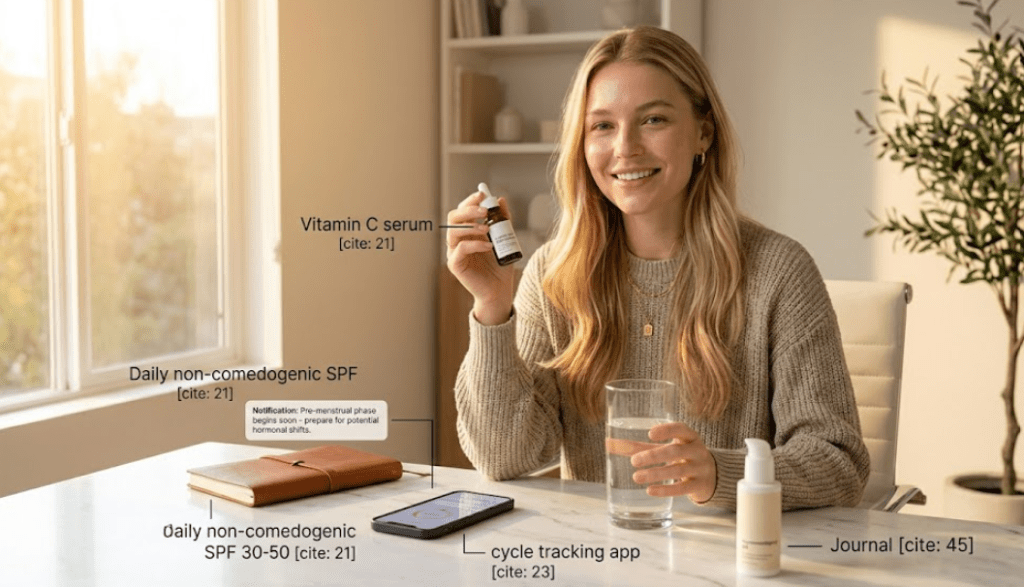
A solid routine for this life stage looks like:
- Morning: a Vitamin C antioxidant serum, a lightweight moisturiser, and SPF 30–50 — every single day.
- Evening: introducing a low-strength retinoid (retinol or retinaldehyde) to encourage cell turnover and gradually build skin resilience.
- Tracking your cycle can be genuinely useful. If breakouts follow a predictable pre-menstrual pattern, it’s worth raising with your GP — combined oral contraceptives or, in some cases, spironolactone are evidence-based options worth discussing.
- Lifestyle consistency — regular movement, stable sleep, and meals built around whole foods with minimal refined sugar — supports hormonal balance in ways no topical product can replicate.
Your 40s: Perimenopause, Sensitivity, and the Double Shift
Perimenopause introduces a particularly complicated hormonal dynamic. Estrogen begins to fluctuate and decline, while androgen levels hold relatively steady. The result? Some people find themselves dealing with hormonal acne and new dryness and thinning skin simultaneously — often for the first time.
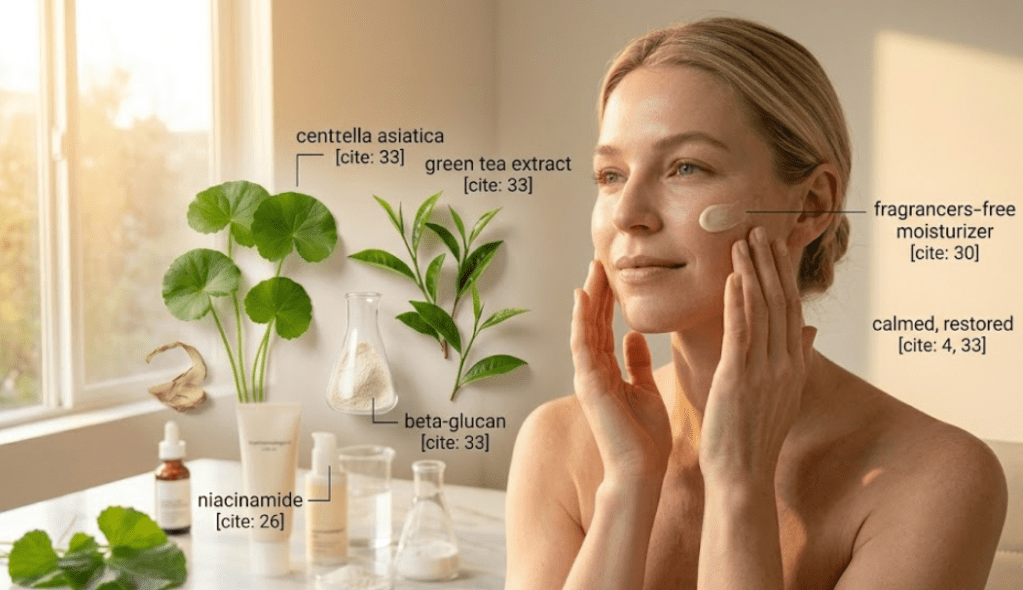
This is also the stage where barrier support becomes central to any routine:
- Switch to creamy, fragrance-free cleansers that nourish rather than strip. Foaming formulas that felt fine in your 30s may now leave skin feeling tight and reactive.
- Layer barrier-restoring ingredients like ceramides, hyaluronic acid, and peptide serums to rebuild resilience and support collagen production.
- Keep retinoids in your routine, but consider reducing frequency if sensitivity has increased. Daily SPF remains essential — UV exposure compounds the collagen loss that declining estrogen is already accelerating.
- Anti-inflammatory actives — niacinamide, centella asiatica, beta-glucan, and green tea extract — are having a well-deserved moment in 2026 formulations designed specifically for this life stage.
Your 50s and Beyond: Menopause and Rebuilding Skin Resilience
After menopause, estrogen declines sharply, and the effects on skin are significant. Research suggests roughly 30% of collagen is lost in the first five years post-menopause, alongside increased dryness, loss of firmness, and heightened sensitivity to UV damage.
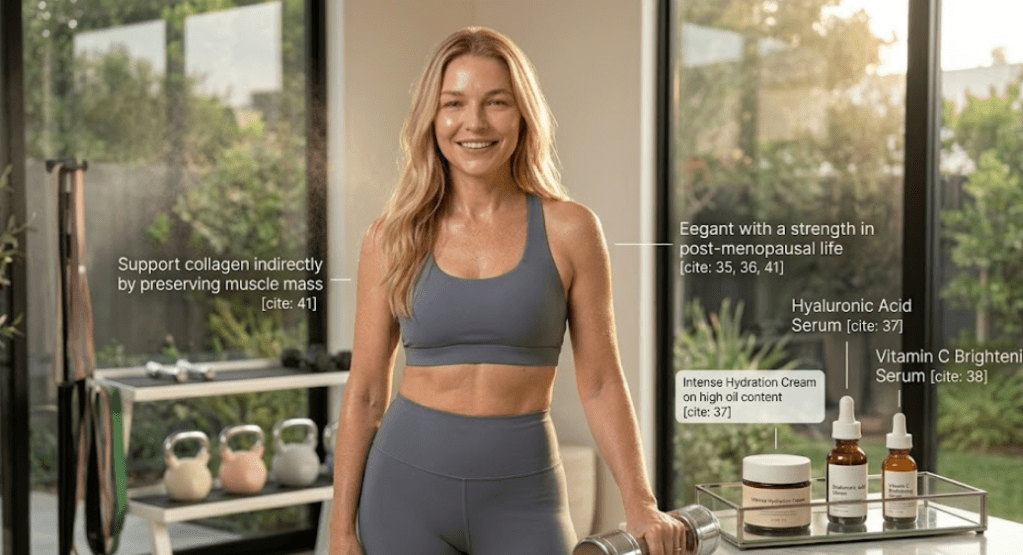
Priorities shift accordingly:
- Hydration goes richer. Move toward creams with a higher oil content rather than lighter lotions, layering hyaluronic acid both morning and night for deeper, longer-lasting moisture.
- Brightening becomes important. Niacinamide and Vitamin C serums help address uneven tone and pigmentation changes that become more common at this stage.
- Gentle exfoliation (1–2 times per week with a mild AHA like glycolic or lactic acid) improves how well other products absorb without causing irritation.
- Strength training supports skin indirectly by preserving muscle mass, which reduces the appearance of sagging that accompanies collagen loss.
- If symptoms like hot flushes, disrupted sleep, or mood changes are affecting daily life, a practitioner experienced in hormonal health can assess whether personalised hormone therapy is appropriate. This conversation is increasingly mainstream and worth having.
The Foundations That Work at Every Age
Whatever stage of life you’re in, certain habits consistently support hormonal health and, by extension, your skin.
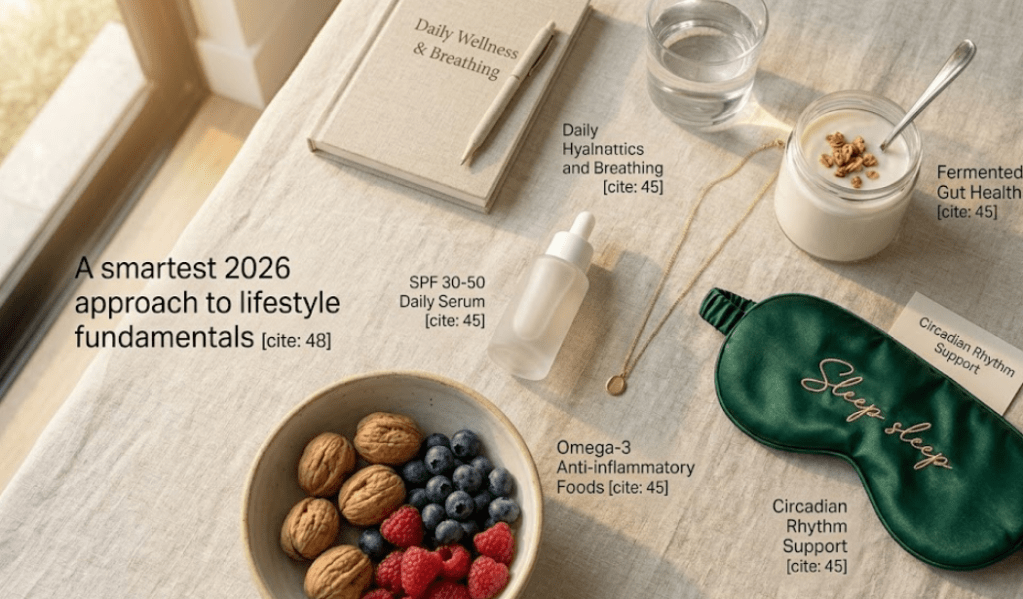
| Habit | The Approach | Why It Works |
| Daily SPF | SPF 30–50, rain or shine | The most evidence-backed single anti-ageing step available |
| Blood sugar balance | Whole grains, protein, healthy fats; fewer sugary snacks | Insulin spikes raise androgens and drive breakouts |
| Consistent sleep | Regular bedtime, morning light exposure | Regulates cortisol and melatonin, reducing inflammatory load |
| Anti-inflammatory eating | Berries, leafy greens, omega-3s, nuts | Directly counters the chronic inflammation linked to premature ageing |
| Stress management | Daily movement, breathwork, journaling | Lowers cortisol — a primary driver of hormonal skin disruption |
| Gut health | Fibre, fermented foods, prebiotics | A healthy microbiome helps the body process excess estrogen and androgens |
The Bottom Line
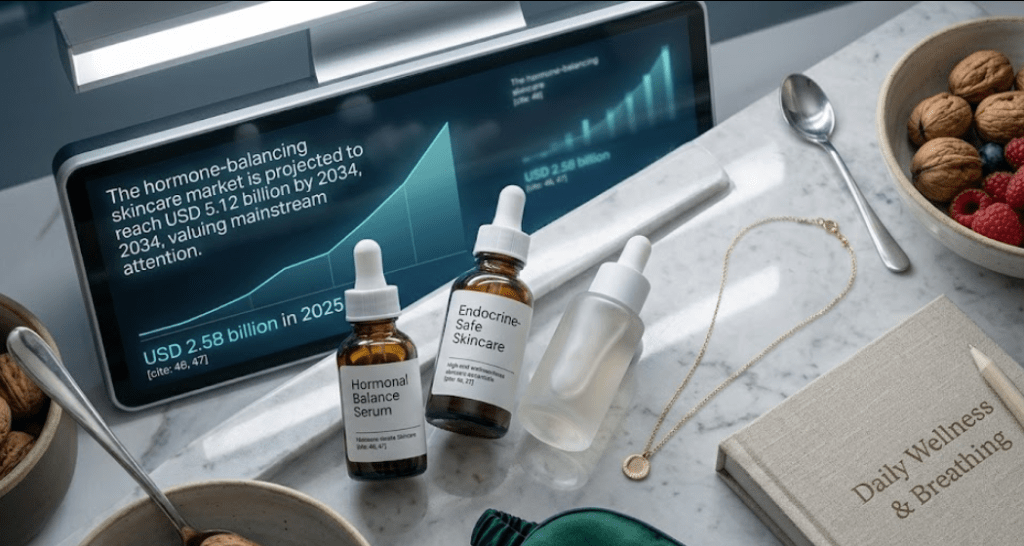
The hormone-balancing skincare market was valued at over USD 2.5 billion in 2025 and is projected to more than double by 2034 — a clear sign that the mainstream is catching on. But amid the growing range of targeted products and treatments, the smartest approach in 2026 stays rooted in lifestyle first.
Understanding which hormonal phase you’re in, what that means for your skin, and how to support your body through it — with the right topicals, professional guidance where needed, and consistent daily habits — is what actually moves the needle.
Your skin is communicating something. The goal is learning to listen.
Always consult a qualified dermatologist or healthcare professional for personalised skincare or hormonal health advice.


Leave a Reply