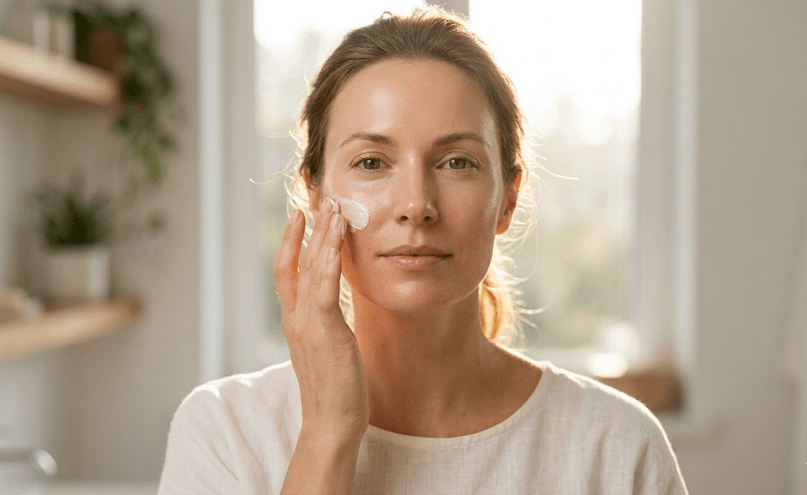
Something quietly changed in the skincare world over the past couple of years. The race for miracle ingredients and 10-step routines has largely given way to something far more sensible: routine minimalism built on proven science.
In 2026, the best anti-aging skincare isn’t the most expensive or the most elaborate — it’s the most consistent. Dermatologists, estheticians, and ingredient experts are broadly aligned around the same core actives they’ve championed for years. The difference now is that consumers are finally listening.
So if you’re wondering where to actually put your money and your effort, here’s a clear, no-nonsense breakdown.
What Actually Makes a Difference (And What Doesn’t)
Before diving into specific product types, it’s worth understanding why certain ingredients have such staying power. The best anti-aging actives aren’t trending because of clever marketing — they’re trending because they have decades of evidence behind them.
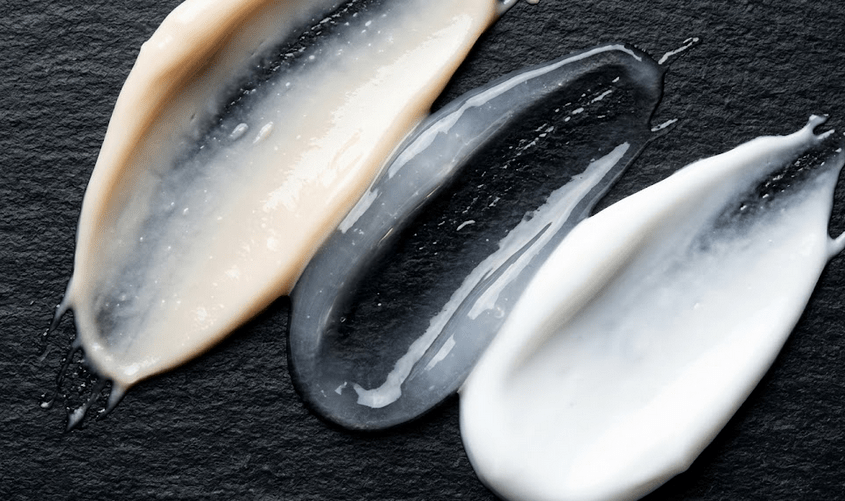
The real workhorses are sunscreen, retinoids, vitamin C, peptides, and solid hydration. That’s it. If a product contains one or more of these in meaningful concentrations, it belongs in your routine. If it leads with a proprietary “breakthrough complex” and buries the actual actives in the small print, treat that as a red flag.
The 2026 beauty landscape has also seen a meaningful shift toward what’s being called skin longevity — the idea that protecting and strengthening your skin barrier today pays dividends for years to come. It’s less about turning back the clock and more about keeping time on your side.
The Five Product Categories Worth Investing In
1. Daily Sunscreen — Your Non-Negotiable
If you only make one change to your routine, make it this: wear a broad-spectrum SPF every single day, rain or shine, indoors or out. UV exposure is the single largest contributor to visible skin aging — we’re talking fine lines, loss of elasticity, uneven pigmentation — and most of it accumulates gradually through everyday exposure, not just beach vacations.
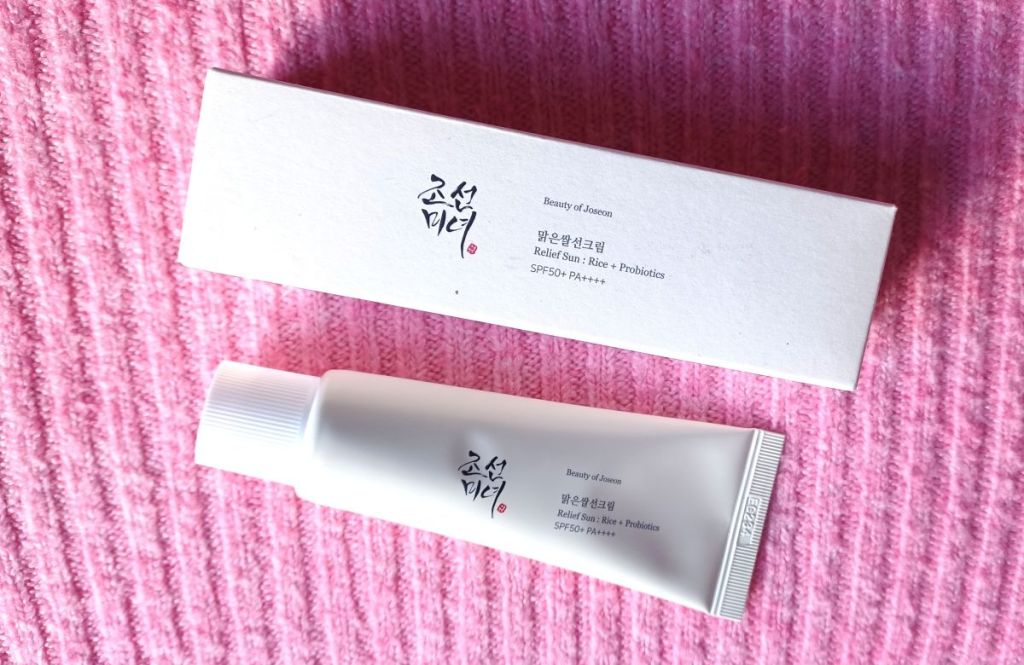
The good news is that the SPF category has improved enormously. Formulas that once felt greasy or left a white cast have been replaced by lightweight, skin-flattering textures that sit beautifully under makeup. There’s really no excuse not to use one.
2. Retinoids — The Gold Standard for Texture and Lines
Retinoids remain the most well-evidenced anti-aging category in skincare, full stop. Whether you opt for a prescription retinoin, an over-the-counter retinol, or the newer retinal (also called retinaldehyde), you’re working with an ingredient family that has consistently demonstrated its ability to smooth texture and soften the appearance of fine lines over time.
If you’re new to retinoids, start low and slow — two or three nights a week to begin with, always followed by a moisturizer. Irritation and flaking in the early weeks is normal and not a reason to stop; it’s your skin adapting. Stick with it for at least 12 weeks before judging results.

3. Vitamin C Serums — Brightness and Protection in One
Vitamin C has earned its place as a morning routine staple. As an antioxidant, it helps neutralize the free radical damage triggered by sun exposure and pollution — making it a natural partner for your SPF. It also targets uneven skin tone over time, delivering that clearer, more luminous look that tends to fade as we age.
Look for stabilized formulas (L-ascorbic acid or more stable derivatives like ascorbyl glucoside) stored in opaque or airless packaging — vitamin C degrades quickly when exposed to light and air, so packaging genuinely matters here.
4. Peptides — The Slow-Burn Investment
Peptides don’t deliver the dramatic, overnight shifts that retinoids sometimes can, but they more than earn their place in a long-term routine. These short chains of amino acids signal to the skin to support its own structural proteins, contributing to improved firmness and resilience over months of consistent use.
They’re also exceptionally well-tolerated, making them a great option for sensitive skin types or for alternating with retinoids on rest nights. In 2026, peptides have become a fixture in premium anti-aging formulas precisely because they align with the skin longevity philosophy — supporting the skin from within rather than just treating surface symptoms.
5. Hydrating Moisturizers — Don’t Underestimate This Step
A compromised skin barrier doesn’t just cause sensitivity and redness — it makes fine lines look more pronounced and slows the skin’s ability to recover from everything else you put it through. A reliable, hydrating moisturizer is what holds the whole routine together.
In 2026, barrier-focused formulations containing ceramides, hyaluronic acid, and microbiome-supportive ingredients are among the most talked-about launches in the skincare space. These aren’t flashy products, but they quietly make everything else work better.
How to Match Products to Your Concerns
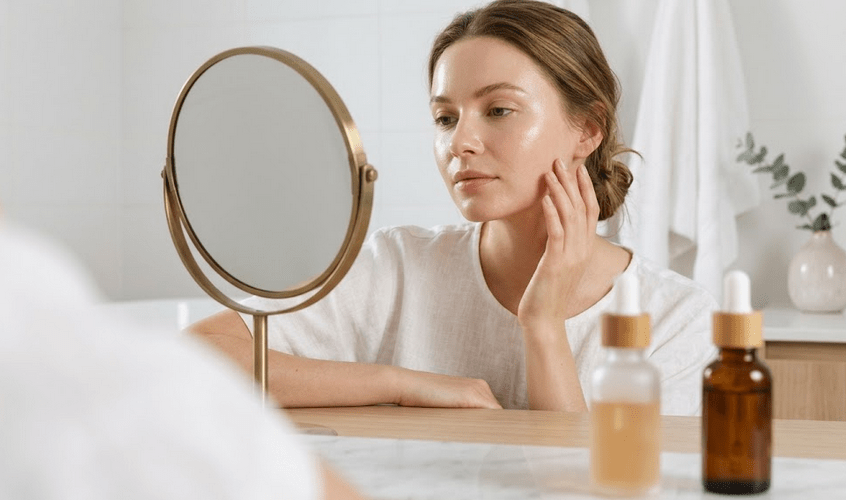
Not every concern needs the same solution. Here’s a quick guide to help you prioritize:
- Fine lines and texture → Focus on retinoids; use consistently over months
- Dullness and dark spots → Vitamin C is your morning ally
- Dryness and sensitivity → Prioritize barrier repair with a ceramide-rich moisturizer
- Prevention → Daily SPF is more important than any serum
- Firmness and resilience → Peptides, used regularly over time
A Simple Routine That Actually Gets Used
The most sophisticated routine in the world is useless if it sits on your bathroom shelf untouched on a Tuesday night. Simplicity is what makes a routine sustainable — and sustainability is what makes it work.
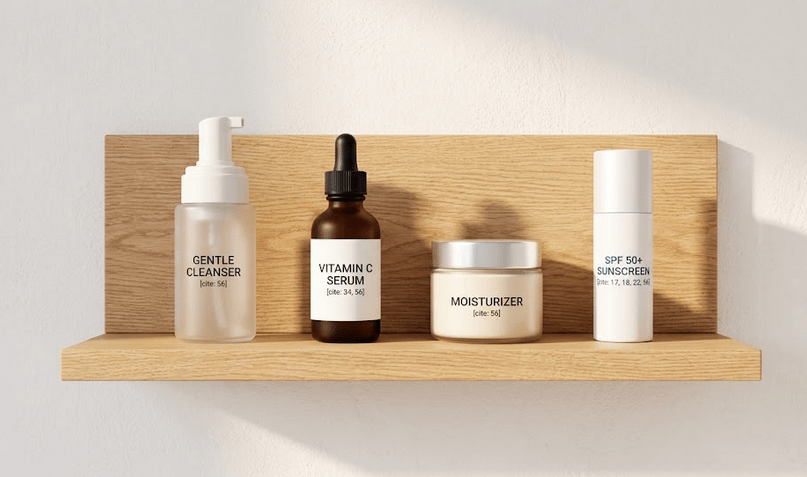
Here’s a practical framework that covers all the bases:
Morning: Gentle cleanser → Vitamin C serum → Moisturizer → SPF
Evening: Cleanser → Retinoid → Moisturizer
Optional extras: On nights you’re not using a retinoid, a peptide serum or a hydrating layer can add a beneficial boost without overwhelming your skin.
That’s six products at most. Most people will see real results with five.
How to Shop Smarter in 2026
The best brands in this space are increasingly transparent about what they put in their products and why. Look for brands that clearly state ingredient percentages, explain how to use actives correctly, and back their claims with clinical language or dermatologist input.
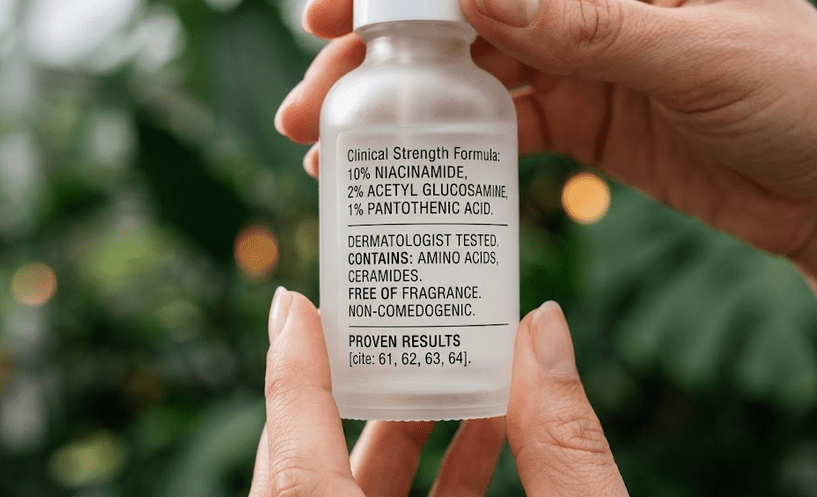
Conversely, steer away from vague language like “age-defying complex” or “proprietary youth formula” with no further explanation. In a market flooded with options, clarity is usually a sign of confidence — and confidence usually means the formula can actually stand on its own.
Your skin type matters too. Sensitive skin calls for a slower, gentler approach to retinoids and a heavier emphasis on barrier repair. Oily or combination skin may tolerate stronger actives earlier on. Always introduce new products one at a time so you can identify what your skin loves — and what it doesn’t.
The Bottom Line
Anti-aging skincare in 2026 is refreshingly straightforward when you strip away the noise. The ingredients that work are well-established, widely available, and increasingly affordable. The routines that deliver results are shorter than you probably think.
Protect. Treat. Hydrate. Repeat. Those four words cover most of what you need to know — and if you do them consistently, the results will follow.
Always patch-test new products and consult a dermatologist if you have specific skin concerns or conditions.
You may also like:



Leave a Reply